

Specific Carbohydrate Diet (SCD) & Food Staples


We explored food staples in a previous blog post – but what about food staples on the Specific Carbohydrate Diet (SCD)?
Many food staples are traditionally grains. If you are sticking to a Specific Carbohydrate Diet meal plan, shelf staples, fridge and freezer favorites look a bit different.
Most of you reading this are likely familiar with what the SCD is, but let’s have a refresher before we dive in for those who may not be familiar. Already an SCD pro? Head straight to the SCD staples!
First things, first…what is the “SCD”?
SCD stands for “Specific Carbohydrate Diet.” The SCD is a whole-foods-based diet that avoids processed foods, certain dairy products, sweeteners aside from honey, and most grains.
The Specific Carbohydrate Diet plan can be nutritionally complete if followed closely by a dietitian trained in nutrition adequacy SCD focuses on foods that are nutrient dense to promote healing of the gut. In other words, the SCD is an accessory to gut healing that doesn’t involve cutting foods out.
Instead, the SCD focuses on consistently choosing good foods to eat. The quality of our food makes a huge difference, especially when it comes to gut health.

How does diet factor into Inflammatory Bowel Diseases (IBD)?
IBD develops due to complex interactions between your environment, changes in your gut flora (intestine microbiome), your genetic properties, immune changes, and more (1). This means we are not completely certain as to why some people have IBD and others do not.
More and more, research is revealing that eating habits play a significant role in regulating this disease. This bring us to the environmental component to the evolution of IBD.
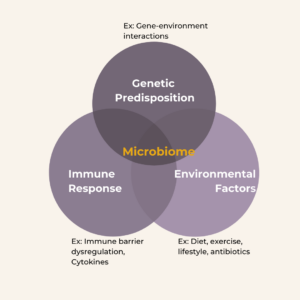
Cochrane Systematic Review: 2007
As many as 70% of IBD patients are known to try elimination diets during remission to avoid disease exacerbation. These diets can affect social life and family interactions (1).
One recent study investigating the effects of exclusion diets on nutrition intake reported that 59% of patients in the exclusion group “held dietary beliefs and reported modifying their intake according to their dietary belief (2).”
Surprisingly, while IBD is a disease affecting the intestines, the role of diet is not studied as much as you would think or hope. As a result, patients are not usually prescribed proper diet protocols by their physicians because the role of the diet is often underestimated in medical practice (1). In my practice, it is not uncommon for me to hear my IBD nutrition patients say, “my doctor told me to not worry about what I am eating” and “diet does not play a role in my disease.”
I wish that were true for all of us, but nutrition truly is medicine, and we are what we eat.
In general, excessive sugar and saturated fats are considered risk factors for IBD, while eating high-fiber foods and citrus fruits may be protective. Also, appropriate nutrition consumption seems to help with proper IBD recovery and remission (1).
Studies have shown that diet influences IBD management and the development of disease states, meaning that the food we eat can ultimately interact with how our DNA is read on a cellular level (8). That may seem like a lot of pressure, but it can potentially be a source of power for you in your life and managing your disease.
Research shows that nutrition is an integral part of treatment, but also that limiting carbohydrates in the diet to a simple few and being persistent over time is a characteristic shared in effective diet-based IBD therapies (9,10).
In other words, eating well is intensely important to the quality of life for someone living with IBD (1).
Just like one medication does not fit all, no one diet is suitable for everyone with IBD. What makes the SCD a choice for many IBD patients is that it is:
- Customizable based on the patient’s condition
- Nutritionally complete when done under proper guidance,
- Sustainable for years (or even a lifetime)
After years of researching the Specific Carbohydrate Diet, I think of it as a therapy option in the large toolkit of available IBD treatments. Some patients can maintain clinical and symptom remission with diet alone. Others need both diet changes and medication to manage their IBD. Each person is different with what treatments work for them physically and emotionally/mentally.
Check out these two studies currently in progress:
Here are a few things that are good to keep in mind for anyone with IBD on the SCD:
- Stay in close contact with your healthcare team to ensure healthy nutrition (4). The Specific Carbohydrate Diet works best when it functions as an alternative or complementary therapy with close monitoring from a multidisciplinary team (5) and dietitian trained in IBD.
- Remember, the SCD is not a low-carbohydrate diet, but rather a diet composed of more simple and well-tolerated sugars, starches, and other foods so that the body can maintain remission (6).
Strict SCD General Guidelines + Things to Keep in Mind
Like the information above echoes, the SCD eliminates certain foods, emphasizing foods you can eat instead of focusing on what you cannot eat. The SCD is meant to maintain appropriate levels of nutrients you are prone to be deficient in (1) by focusing on whole foods.
| Eliminates (4, 6, 7) | Includes (6, 7) |
| -soy
-milk products high in lactose (i.e. mild cheddar, commercial yogurt, cream & sour cream, ice cream) -table sugar -processed sugar -processed fructose (i.e. high-fructose corn syrup) -molasses -maple syrup -grains & grain-derived flours (wheat, wheat germ, barley, oats, rice) -certain vegetables (potatoes, sweet potatoes, okra, turnips, corn) -canned vegetables with added ingredients -seaweed & byproducts -canned and most processed meats -candy, chocolate, and products containing fructooligosaccharides (FOS) -canola and other refined vegetable or seed oils -commercial mayonnaise (due to additives) -bread, pasta, and baked goods made with grain-based flours |
-monosaccharides (simple sugars/starches)
-almost all fruits and most vegetables -nuts -nut flours -meats without additives -poultry -fish -shellfish -eggs -dried navy beans -lentils -peas & split peas -unroasted cashews/peanuts -all-natural peanut butter -aged dairy >30 days such as cheddar, colby, swiss, dry curd cottage cheese -homemade fermented yogurt -fruits (fresh, raw, cooked, or dried with no added sugar) -most fresh, frozen, raw, or cooked vegetables -most oils, teas, coffee, mustard, cider or white vinegar and juices with no additives or sugars -honey |
Because SCD recipes do not include pre-made/convenience foods, it is crucial to plan ahead and batch cook. Freezing food staples, such as meals and snacks, to have on hand for a later date will save you time, energy, and discouragement when cooking for the Specific Carbohydrate Diet.
“The best diet is one that meets your individual nutritional needs and helps you manage your IBD symptoms.” (4). I would also add that it’s one that helps you manage your inflammation.
SCD Food List of Staples
Here is the moment you have been waiting for! The following are pantry staples to have on hand when cooking and following the Specific Carbohydrate Diet food list. These staples can vary from person to person, but here is a list of SCD foods we feel are essential if you are beginning on your journey.
Note: some of these might be controversial in terms of traditional SCD meal plan guidance. These tables are based on my history with patients and years of researching. You can comment or contact Kim directly for questions/clarifications. If an item below is in a can, jar, carton we are presuming that no food additives and or sugar has been added.
Looking for an SCD Diet Food List to Get You Started?
| Pantry | Produce & Fridge | SCD-legal dairy products | Freezer | Flavor |
| Sardines | Garlic or garlic paste | SCD yogurt starter (i.e Yogourmet, Butterworks, Dannon plain, GIProStart) | Bacon (save the fat for cooking later) | Sea Salt |
| Bone broth and/or stock | Nut milk (almond, coconut, cashew, walnut) | SCD yogurt | Ground beef or turkey | Bay leaves |
| Beans (i.e. dried navy beans, black beans) | eggs | Aged cheese > 30 days (i.e. cheddar, brie, parmesan, jack) | Chicken breasts or thighs,
salmon or fish filets |
Ground cinnamon |
| Green beans | Apples or other favorite fruit | Chopped spinach | Ground cumin | |
| Tuna and/or canned salmon | avocados | Fruit (i.e. berries) | Ground ginger | |
| peas | bananas | Nuts (i.e. almonds, walnuts, pecans) | oregano | |
| Full-fat Canned coconut milk | carrots | Vegetables such as riced cauliflower, broccoli, squash, spiralized noodles | rosemary | |
| Tomato or marinara sauce | lemons | Pre- made meals | thyme | |
| Tomatoes | Leafy greens | Pre-made baked goods for snacks | nutmeg | |
| Tomato paste | Favorite veggies | Apple cider/balsamic/ vinegar | ||
| Seasonal squashes | Fish sauce | |||
| Fresh herbs |
| Oils | Baking | Sweeteners | Snacks | Other |
| Extra virgin olive oil (EVOO) | Baking soda | honey | Dried fruit (with no added sugar) | lentils |
| Avocado oil | Pure vanilla and almond extracts. | Saccharine (although I do not recommend it) | Nuts and certain seeds medley:
Almonds, cashews, pistachios, pecans, brazil nuts, walnuts, macadamia nut, pine nut, hazelnuts, sesame, sunflower, and pepitas (pumpkin seeds) |
Nut butters such as natural peanut, almond, cashew, sunflower butter |
| Coconut oil | Nut flours most common are almond and coconut, but pecan and cashew are also available | Aged Cheese > 30 days | Dried beans | |
| Butter and Ghee | Chopped veggies for dipping | |||
| Baked goods |
Tips for budgeting AND saving time while shopping for Specific Carb Diet recipes:
It is true that specialty items, such as nut flours, can be more expensive. Deciding to cook at home instead of eating out can help. Additionally, following some of the tips below can also help SAVE on time (T) and money ($).
- Buy in BULK quantities and cook in bulk to freeze meals and snacks for later (T/$)
- Meal plan for the entire week. This saves stress during the week and will prevent you from being “caught” out and about without a snack or meal (T/$)
- Dried goods such as beans and lentils are a budget friendly ($) way to add protein to your specific carbohydrate diet (secret — they also add a TON of essential nutrients such as iron, manganese, magnesium and various B vitamins). Cooking these in advance and freezing for later use also saves on time.
- Buy seasonal produce items. These are usually cheaper and more abundant. Buying the fruit or vegetable whole is cheaper than pre-cut ($). However, pre-cut options such as riced cauliflower, spiralized noodles, and cubed butternut squash definitely can save time (T).
- Have frozen vegetables on hand for when in a pinch. Frozen vegetables are frequently more fresh than produce that has been sitting in the refrigerator or stored for several weeks prior to placing on the shelf at the grocery store (T).
- Online shopping – Digital stores such as Amazon, Azure foods, Instacart, Vitacost, and local grocery can help you stick to your list and prevent the time sink of running around to various stores (T/$).
- Veggies such as cabbage last quite a while in the refrigerator, are cheap, and are extremely versatile. We always have cabbage on hand ($).
Keeping these Specific Carb Diet staples in your kitchen can help you prepare for success, especially on days you are not feeling well.
Remember that no single diet has been found as a treatment for everyone with IBD. The Specific Carbohydrate Diet is one tool in your toolbox of options to try. Diet as a means of therapy is not a good fit for everyone, but properly feeding and fueling your body IS important for all. Following an SCD can help improve intestinal health by making a healthy home for the “good” bacteria living in your gut (6).
Click Here to Download Kim’s Meal Plan PDF
REFERENCES
- Owczarek D, Domagała-Rodacka R, Cibor D, Mach T. Diet and Nutritional Factors in Inflammatory Bowel Diseases. World J Gastroenterol. 2016;22(3):895-905.
- Lim HS, Kim SK, Hong SJ. Food Elimination Diet and Nutritional Deficiency in Patients with Inflammatory Bowel Disease. Clin Nutr Res. 2018;7(1):48‐55. doi:10.7762/cnr.2018.7.1.48
- Clark P. Forget Low-Fat and Low-Sugar, Concentrate on a Healthy Eating Pattern. 2019. Academy of Nutrition and Dietetics. Eatright.org.
- Diet & Nutrition. Special IBD Diets. Crohn’s & Colitis Foundation. Accessed at https://www.crohnscolitisfoundation.org/diet-and-nutrition/special-ibd-diets.
- Braly K, Williamson N, Shaffer ML, Lee D, Wahbeh F, Klein J, Giefer M, Suskind DL. Nutirtional Adequacy of the specific Carbohydrate Diet in Pediatric Inflammatory Bowel Disease. J Pediatr Gastroenterol Nutr. 2017 Nov;65(5):533-538. doi: 10.1097/MPG.0000000000001613.
- Kakodkar S, Farooqui AJ, Mikplaitis SL, Mutlu EA. The Specific Carbohydrate Diet for Inflammatory Bowel Disease: A Case Series. 2015;115(8):1226-1232. doi.org/10.1016/j.jand.2015.04.016.
- NASPHGAN Foundation. The Specific Carbohydrate Diet. Accessed at https://med.stanford.edu/content/dam/sm/gastroenterology/documents/IBD/CarbDiet%20PDF%20final.pdf.
- Castro F, de Souza HSP. Dietary Composition and Effects in Inflammatory Bowel Disease. Nutrients. 2019;11(6). pii: E1398. doi: 10.3390/nu11061398
- Jarmakiewicz-Czaja S, Platek D, Filip R. The Influence of Nutrients on Inflammatory Bowel Diseases. J Nutr Metab. 2020;2894169. doi: 10.1155/2020/2894169.
- Britto S, Kellermayer R. Carbohydrate Monotony as Protection and Treatment for Inflammatory Bowel Disease. J Crohns Colitis.2019;13(7):942-948. Doi: 10.1093/ecco-jcc/jjz011.
Research on SCD for Reference
Summary of SCD Research
How to read this chart
Study: Relevant studies are listed with the most recent study first, and the next most recent following, and so on. Each title will give you the key information that the published research is about, and each title is also linked to the full study (click on these links to read more). Year of publication follows each title in parenthesis.
Design: Prospective means the study was designed to follow patients as they progress, or in other words is future-oriented in nature. Retrospective means that the study is designed to evaluate data that are already existing at the time the research is completed. Clicking the title links in the “Study” column can lead you to more information about how data was collected for the study.
Number of People/Patients: In general, studies are designed so that the results can be generalized to a wider range of people. It is important to look at the design as well as the strengths and limitations of a study; higher numbers do not always equate to better studies.
Outcome: This column will give you a summarized result of the research.
Strengths & Limitations: Strengths will tell you what made the research unique or significant. Limitations (all studies have these) will tell you why future research is needed or about the bias or errors of the study.
| Study
(most to least recent) |
Design | Number of People/Patients | Outcome | Strengths & Limitations |
| Clinical and Fecal Microbial Changes With Diet Therapy in Active Inflammatory Bowel Disease
(2018) |
Prospective case series: follow-up evaluations at 2,4,8, and 12 weeks | 13 | Clinical and laboratory improvements; significant microbiome shifts | Strength- shows that diet in this cohort (small group) of patients with IBD was safe and well tolerated.
Limitation- other factors such as genes, inflammation, and medication may impact microbiome |
| Nutritional Adequacy of the Specific Carbohydrate Diet in Pediatric Inflammatory Bowel Disease
(2017) |
Prospective diet evaluation | 9 | Nutrition (protein, vitamins, and minerals) for patients on the SCD was adequate when compared with the reference population (NHANES 2012 reference group). | Strength: recommended to ensure positive outcomes for overall patient health
Limitation: adequacy varied when compared with dietary recommended intakes |
| Specific carbohydrate diet for pediatric inflammatory bowel disease in clinical practice within an academic IBD center
(2016) |
Retrospective case series: review of medical records of patients with IBD on SCD | 26 | Improved clinical and laboratory parameters for patients with Crohn’s disease and Ulcerative Colitis. | Strength: evidence that SCD can be integrated into care
Limitation: full assessment of safety/efficacy in patients with IBD still needed in the future |
| Patients Perceive Clinical Benefit with the Specific Carbohydrate Diet for Inflammatory Bowel Disease (2016) | Patient survey: anonymous online survey conducted with a Web-based survey tool (links sent to known sites and support groups) | 417 | SCD is utilized by many patients as a therapy for IBD. | Strength: most patients perceive clinical benefit
Limitation: attempt to characterize patient utilization of the SCD and perception of efficacy via survey |
| Response to strict and liberalized specific carbohydrate diet in pediatric Crohn’s disease (2016) | Retrospective case series: patient chart review | 11 | Improved labs and growth parameters | Strength: disease control may be attainable with SCD
Limitation: further studies needed to assess adherence, impact, and level of healing and growth |
| The Specific Carbohydrate Diet for Inflammatory Bowel Disease: A Case Series (2015) | Retrospective case series: patients with IBD in remission following the SCD | 50 | SCD is effective for some adults with IBD; High quality of life reported. | Strength: largest series of patients with IBD following the SCD to date and description of their clinical characteristics
Limitations: subjects chosen were in remission |
| Nutritional therapy in pediatric Crohn disease: the specific carbohydrate diet (2014) | Retrospective case series | 7 | Improvement in clinical and laboratory parameters. | Strength: Suggests SCD as a possible therapeutic option
Limitation: more studies needed to assess safety and efficacy for patients |
| Clinical and mucosal improvement with specific carbohydrate diet in pediatric Crohn disease (2014) | Prospective Case Series | 16 | Clinical and mucosal improvements seen. | Strength: improvements seen when SCD used for 12 and 52 weeks
Limitation: further studies needed to understand mechanisms underlying effectiveness |

Hi! I'm Kim Braly, RD, a clinical researcher and IBD Nutrition Consultant. I specialize in cutting-edge dietary therapies for inflammatory bowel disease that have been shown in multicenter trials to decrease inflammation, alleviate IBD symptoms and induce remission. I'm passionate about offering this effective new option to patients and their families with my 3D-Dietary™ Approach for IBD and helping to usher in a new era of IBD treatment through mentoring and research trial consultation. Let's see what diet can do for you.
ABOUT


FOR PATIENTS
Flares Happen!
You can't always put your life on hold when IBD rears its head, but you can make this your easiest flare yet. My proven diet and lifestyle tips support your gut, body, mind & emotions for a faster recovery and a longer remission.
FOR PARENTS

Is Your Child’s Weight Dropping Fast?
You don't have to stand helpless during an IBD flare. Feed your child foods proven to minimize triggers, calm inflammation, and repair the gut. Get them healing and growing!