

Making Friends With Fiber When You Have IBD

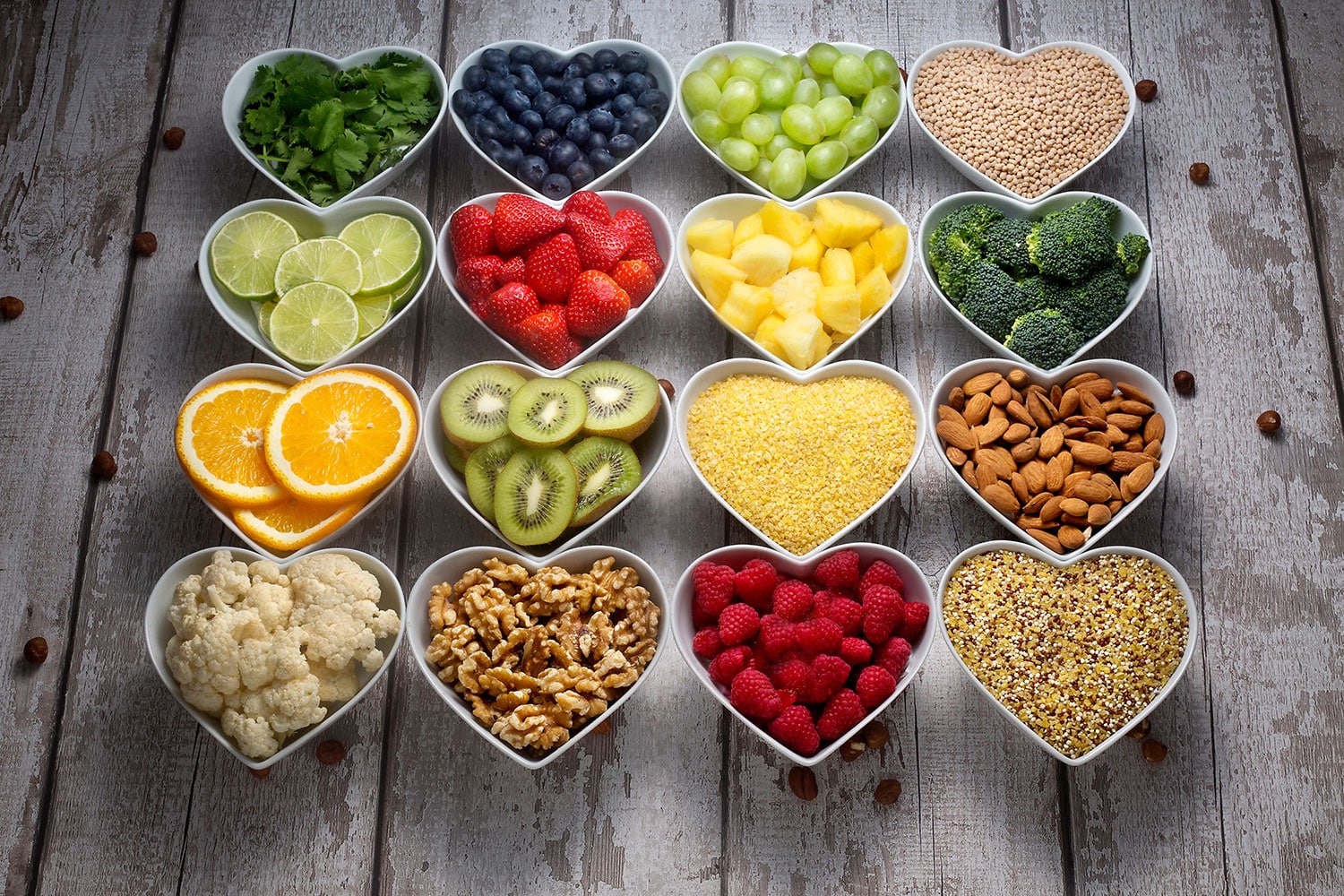
Whole foods rich in fiber are important for gut health in inflammatory bowel disease. Here are some dietitian-approved ways to increase your tolerance and reap the benefits.
Fiber. Roughage. Bulk. Residue. Sounds more like a raw material for making burlap sacks than something you’d want to put into a painful gut.
As an IBD dietitian, I hear that a lot, and I get it! Fiber intake and tolerance is one of the main topics I discuss with my clients.
First off, many people with inflammatory bowel disease have trouble tolerating fiber at various points in their journey, so they’re right to be cautious. Second, avoiding fiber used to be the going advice from doctors and nutritionists for people with Crohn’s and Ulcerative Colitis. Although that recommendation is outdated, is not supported by research and we now know that fiber is critical for gut health, even in IBD — this myth lingers like, well…residue.
My goal with this post is to shed light on fiber’s benefits for most people with IBD, and give you strategies for when and how to comfortably increase your fiber intake so that you don’t have to avoid it forever. Here we’ll focus on fiber from whole foods, rather than supplements.
Key Takeaways
- Fiber is important for gut and overall health. In IBD it can help with symptoms and improve disease in the long term.
- In the presence of inflammation, all foods can seem like a trigger at one point or another, but this does not mean the food is worsening inflammation.
- What type of fiber and how much works best is highly individual.
- The best strategy is to modify fiber’s texture rather than eliminating it altogether.
- Start small and slow, then gradually add more.
What Is Fiber And Why Is It Important?
Put simply, fiber is the part of plant foods that your body can’t digest on its own. You can find fiber in fruits, vegetables, legumes, whole grains, nuts and seeds. Depending on the type and how it’s processed, fiber will vary in its fermentability, viscosity and solubility. These characteristics impact how fast it moves through the gut, how it affects the microbiota, and how well an individual might tolerate it.1
For something your body can’t digest, fiber has a major impact on health. Studies that follow large groups of people over long periods of time find that those who eat more dietary fiber experience less cardiovascular disease, obesity, Type 2 Diabetes, and many other chronic health conditions.2 And we have very strong evidence linking fiber3 and dietary patterns including fiber-containing foods4 to a lowered risk of colon cancer. The average intake of dietary fiber is low at < 20 gms/day worldwide.
It’s important to note that food components don’t work in isolation and research on fiber is complicated to sift through.1 Fiber-rich foods are also high in beneficial vitamins, minerals and phytochemicals. Since we don’t know how much of the benefit is coming from which component, it’s best to consume whole plant foods and not rely on fiber supplements in most cases.
Types of Fiber
There are different types of fiber, which may affect people (and their gut bacteria) differently.

Soluble Fiber
Soluble fiber is the absorber. It swells by soaking up fluid through its high affinity to water. Think of chia seeds, oatmeal, or psyllium seed (different than husk) in a liquid that can form a gel-like substance.
Benefits: Soluble fiber softens stool and slows down the time it takes to have a bowel movement. This makes it a great ally in the case of rapid transit, diarrhea and urgency by firming loose stool and slowing transit time. Soluble fiber is also important for constipation management by softening the stool and stimulating the bowels to contract. It is also the key class of fiber that feeds beneficial gut bacteria. Soluble fiber also has benefits beyond the digestive system, including cholesterol-lowering capacity5, specifically through β-glucans. Foods high in soluble fiber include:
- Oats (Ex: Steel cut, rolled, and quick oats)
- Avocado
- Apple with the skin
- Wheat bran
Insoluble Fiber
Insoluble fiber is the mover and shaker. It doesn’t soak up water and it can’t be easily consumed by gut bacteria, which means it passes all the way through your intestines. It bulks stool and can increase stool frequency. Think of whole nuts and dark leafy greens.
Benefits: Insoluble fiber adds bulk and speeds up stool transit time. It gets things moving! It can be excellent help for anyone with constipation, including those prone to IBD constipation.
Most fibrous foods contain a mix of both soluble and insoluble fiber. These two fibers work in tandem to produce a beautiful bowel movement. Foods high in insoluble fiber include:
- Dark leafy greens (Ex: cooked and raw kale)
- Raw/whole nuts and seeds
- Cooked lentils
Prebiotics
Prebiotics are the fertilizers. Although they’re sometimes referred to as their own type of fiber, most prebiotics are technically soluble fiber. They are known for their fermentability by specific gut bacteria that produce important short-chain fatty acids.
The name refers to their effects on the microbiome. Essentially, a prebiotic is a substance we can’t digest, but specific beneficial gut bacteria can. In a healthy digestive system, prebiotics pass through the small intestine and enter the large intestine, where these bacteria use specialized enzymes to break them down.
Resistant Starch
One key prebiotic you’ve probably heard about is resistant starch. Starch is made of long chains of glucose with different branching structures. Resistant starches have a structure that makes it hard for our small intestines to digest, so it escapes us and goes on to act as preferred food for gut microbes. Resistant starches come in a few forms — either bound up in cellulose in things like seeds, or as part of the starch component of complex carbohydrates like potatoes or rice. You can increase the amount of resistant starch in starchy foods by cooling them before you eat them — like you do with potato salad or rice in some cultures.
Benefits: Prebiotics feed the gut bacteria that help keep you healthy. As they eat, they give off byproducts we need like essential vitamins and short chain fatty acids (SCFAs) that provide important fuel for colon cells. SCFAs also help improve blood sugar, regulate appetite and reduce systemic inflammation.6
Finally, there are also synthetic prebiotics that can be added to processed foods and supplements, but that’s a topic for a later post.
Why Fiber is Important for IBD
As I mentioned, we’ve moved away from thinking that people with IBD need to avoid fiber to “rest” the colon. Why?
- We now know there is little evidence that a low-fiber diet helps most people with IBD, especially long term.7 We also know that fiber is important in the prevention of IBD.8
- In addition, we have solid evidence that Nutrition Therapies (SCD, IBD-AID, AIP, CDED, etc) that include fiber-containing foods are effective in reducing symptoms and even inducing remission, possibly by improving the microbiome. (I have a list of research for you here.)
- Even during active inflammation, it’s rare for all types and textures of fiber to trigger symptoms. It’s usually possible to customize a diet that controls symptoms while still keeping fiber’s benefits to some degree.
How Much Fiber Should You Eat Each Day?
| US Adults | US Dietary guidelines recommend 14g per 1,000 calories, or about 28g per day for a 2,000 calorie diet.9 |
| US Children | Recommendations vary. The American Academy of Pediatrics suggests the child’s age +5g as a rule of thumb.10 |
| People with IBD | There are no consensus recommendations. Although studies show those with IBD eat less fiber than healthy controls,11 IOIBD Guidelines say there isn’t enough evidence to recommend any change except possibly reducing insoluble fiber in the case of stricture.12 I suggest working towards the standard goal of 25-35 gms total fiber per day for adults. This may not be possible in the short-term or with active inflammation, but can be realistic once inflammation is treated. |
How To Tolerate Fiber With IBD
For some, avoiding fiber can reduce symptoms and can be a useful short term strategy. For others, focusing on specific fibers noted above works best for helping with symptom management. Before cutting back on fiber, I always suggest modifying the amount, type, and texture to see if it makes a difference for you.
Then, as soon as inflammation related to IBD improves, your fiber tolerance will likely increase, and you can slowly reintroduce more fiber in different forms for long-term health and disease prevention.
Here are my top tips for increasing your fiber intake with Crohn’s and Ulcerative Colitis.
Increase Fiber Slowly
Always start low (quantity consumed at one time) and go slow, working your way up gradually over days to weeks. Start with a small amount at each sitting and include some protein and fat with the meal. This is important as too much of a good thing (even fiber) can cause problems.
Yes, it’s normal to have GI symptoms from increasing fiber — like more gas or a change in bowel movements such as change in consistency or frequency. Your gut bacterial diversity can adapt quickly to dietary changes, causing symptoms as you adjust to the new normal. We see this often as people start on Nutrition Therapies like the Specific Carbohydrate Diet or Anti-Inflammatory Diet for IBD because they are higher in fiber than the Standard American Diet. Going slowly gives your body time to adjust. It’s easy and common to experience feelings such as anxiety or fear with these bowel changes. If concerned, reach out to your GI or IBD dietitian for reassurance.
Experiment with Different Fiber Types
Most foods have a combination of insoluble and soluble fiber, plus different types of sugars that can also impact symptoms. You may tolerate some fiber types or combinations better than others and their form/consistency plays a role as well – cooked vs. raw, blended etc.
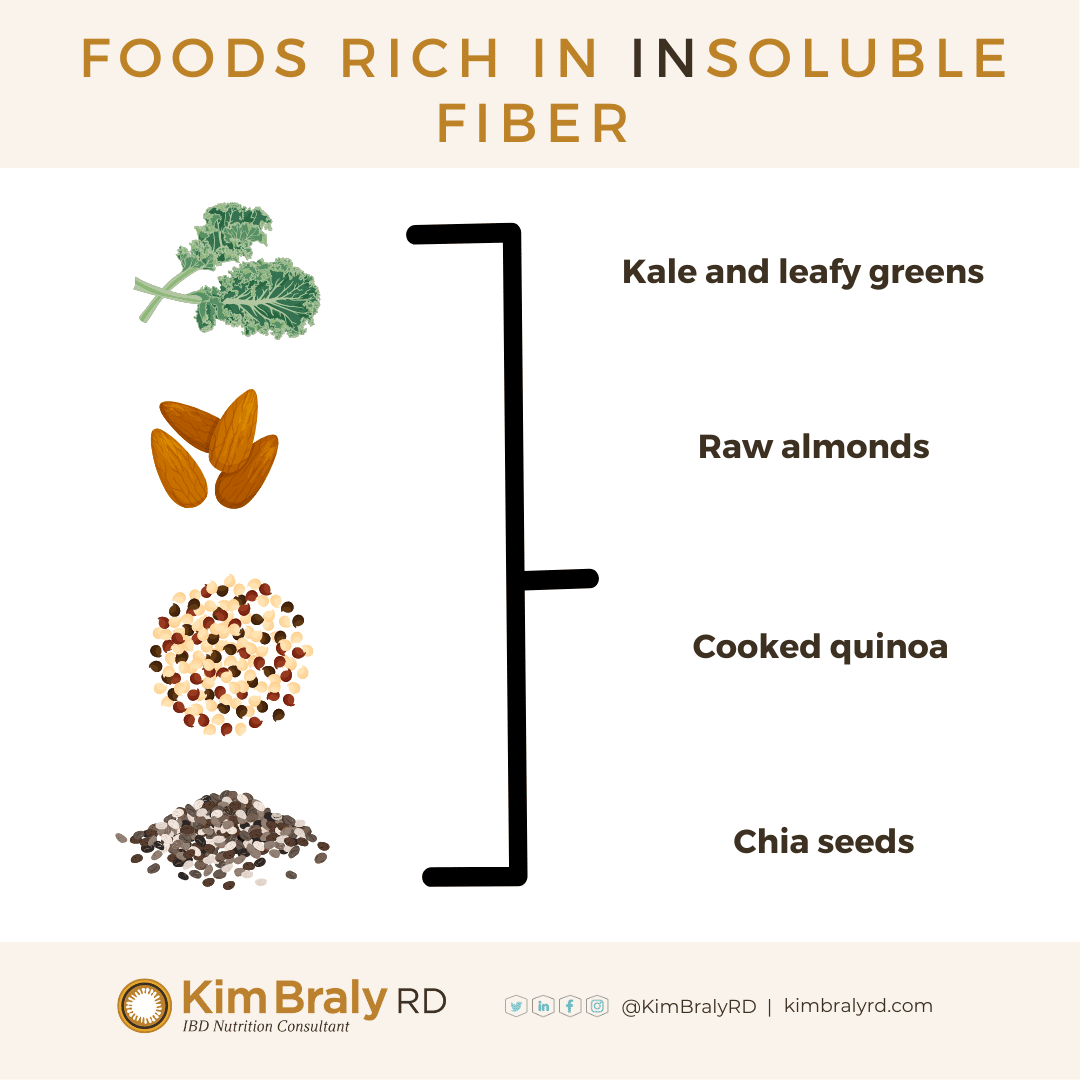
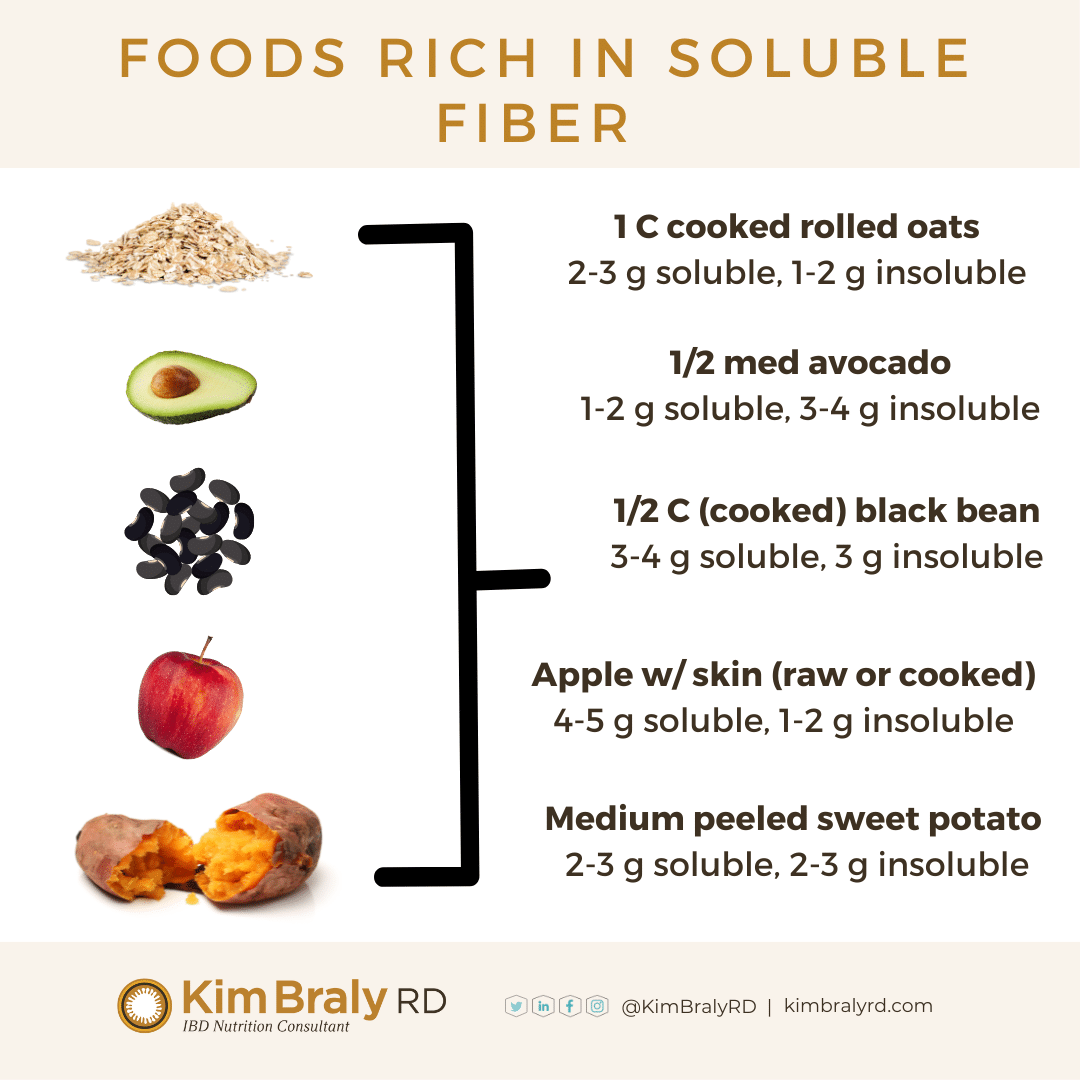
In general, foods higher in soluble fiber such as cooked squash, cooked oats or oat flour, and smooth nut butters may be better tolerated.
If you have IBD with constipation, a mix of soluble and insoluble fiber can work together to get you moving.
If you have diarrhea, soluble fiber types may be helpful and better tolerated as noted in the graphic above.
Experiment with small amounts to see how you do!
Change the Texture
This is a strategy that makes intuitive sense and really seems to work for my clients. Cooking, pureeing and blending can break down high fiber foods and make them softer for your gut. For instance, you can start with well cooked black beans and then puree them. Try just 2 Tbsp and then gradually add more at later meals if that works well.
Here is a helpful guide for modifying the texture of high fiber foods. Texture modification is one of my favorite concepts of the nutrition therapy Anti-inflammatory diet for IBD (IBD-AID™). I use it when working with those who are following this approach, but it applies to anyone with IBD who wants to work on fiber tolerance.

Don’t Forget Hydration
It’s fairly common for people to assume they’re not tolerating fiber because of their IBD when they’re actually not getting enough fluids. Cramming fiber into dehydrated intestines can really increase gas and constipation! Also, remember that soluble fiber works by soaking up liquid, so you’ll need more water than you did before you started increasing your intake.
If you’re struggling with dehydration from diarrhea, you may benefit from oral rehydration solutions or additional help to bring your symptoms under control. In cases like this, please contact your doctor or dietitian.
When Professional Guidance is Especially Important
Fiber is important, but it’s not a panacea and it’s not for everyone at all times. Here are some cases where you’ll need to work closely with your GI team and an IBD dietitian to troubleshoot and modify your fiber intake.
- When Your Inflammation is Active
An inflamed gut can react to many foods that may not cause problems when inflammation is resolved. If it seems like fiber in all amounts and forms is increasing your symptoms, you may need more time and treatment to heal. Please reach out to your GI team for help. - When You Have An Anatomical Change
If you have a stricture, an ostomy, or are recovering from bowel-resection surgery, it’s important to talk with your doctor and dietitian that specializes in IBD about the amount and types of fiber that are right for your situation. It’s very important not to just Google this one! You may have to be proactive and ask or search online as there are not currently IBD-specific dietitians as part of every GI team. I find that, especially in the case of ostomy, most people aren’t given any guidance on long-term fiber intake — so they may not realize they don’t always need to avoid fiber forever. - When You Also Have IBS
A portion of people with IBD can also have irritable bowel syndrome, and it can be difficult to sift through IBS and symptoms related to active inflammation in IBD. (See my post Do I Have Irritable Bowel Syndrome or Inflammatory Bowel Disease for more.) People with IBS can have strong and very individual reactions to certain foods, including high fiber foods. A percentage respond favorably to a temporary diet that lowers fermentable sugars, called the Low FODMAP Diet.13 It’s possible to eat low FODMAP and still include dietary fiber. An experienced GI dietitian can help you sort things out and achieve symptom control while also supporting your gut microbiome. - When You Have Dysbiosis or SIBO
Dysbiosis refers to when you lose gut bacterial diversity, you have an overgrowth of harmful bacteria, or you’re missing key species that confer health. SIBO, or Small Intestinal Bacterial Overgrowth, is when certain bacterial species take up residence in your small intestine where they aren’t supposed to be. It’s possible for either of these conditions to occur alongside IBD14 15leading to GI symptoms especially when you consume prebiotic fiber.
Dysbiosis and SIBO can present a catch-22. The dysbiosis causes symptoms that drive people to reduce their fiber intake. Reduced fiber then leads to further dysbiosis, making things worse over time. Happily, we have some preliminary evidence that this can be reversed, and that increasing probiotics, prebiotics and dietary fiber can improve dysbiosis and inflammation in people with IBD.16 For SIBO, specifically, it can be helpful to focus on non-fermentable fibers temporarily until the condition is treated and resolved. Dysbosis can present additional challenges to improving IBD with nutrition and specific Nutritional Therapies. Please talk with your GI team for further evaluation if you think you may be dealing with dysbiosis.
Kim’s Conclusions
I hope that this gives you some more guidance on how to customize your fiber intake to maximize your health and minimize your IBD symptoms. In short, fiber should generally be removed only temporarily and in specific cases. For everyone else, fiber’s clear health benefits make it worth the effort to find an amount, type and texture of fiber that works and feels good for your body.
And here’s one last reason to make friends with fiber: Deliciousness! If you don’t have to, why lose out on the variety of tastes, colors ,and textures that vibrant whole foods can add to your life? Maybe your favorite is fresh mangos, or maybe it’s black bean tacos….regardless, I want to help you keep and enjoy them!
Need help sorting out fiber’s role in your diet?
Let’s talk about how we can work to reduce symptoms, improve your microbiome, and get you feeling better with my 3D-Dietary™ Approach.
- Gill, S. K., Rossi, M., Bajka, B., & Whelan, K. (2021). Dietary fibre in gastrointestinal health and disease. Nature Reviews Gastroenterology & Hepatology, 18(2), 101-116.[↩][↩]
- Matarese, L. E., Mullin, G. E., & Tappenden, K. A. (Eds.). (2022). Health Professional’s Guide to Gastrointestinal Nutrition (2nd ed.). Academy of Nutrition and Dietetics.[↩]
- American Institute for Cancer Research. (2020, January 9). Colorectal cancer. Retrieved November 30, 2023 from https://www.aicr.org/research/the-continuous-update-project/colorectal-cancer/. [↩]
- Morze, J., Danielewicz, A., Przybyłowicz, K., Zeng, H., Hoffmann, G., & Schwingshackl, L. (2021). An updated systematic review and meta-analysis on adherence to mediterranean diet and risk of cancer. European journal of nutrition, 60, 1561-1586.[↩]
- Schoeneck, M., & Iggman, D. (2021). The effects of foods on LDL cholesterol levels: A systematic review of the accumulated evidence from systematic reviews and meta-analyses of randomized controlled trials. Nutrition, Metabolism and Cardiovascular Diseases, 31(5), 1325-1338.[↩]
- Ref: Matarese, L. E., Mullin, G. E., & Tappenden, K. A. (Eds.). (2022). Health Professional’s Guide to Gastrointestinal Nutrition (2nd ed.). Academy of Nutrition and Dietetics.[↩]
- Shah, N. D. (2015). Low residue vs. low fiber diets in inflammatory bowel disease: evidence to support vs. habit?. Practical Gastroenterology, 39(7), 48-57.[↩]
- Bischoff, S. C., Bager, P., Escher, J., Forbes, A., Hébuterne, X., Hvas, C. L, et.al. (2023). ESPEN guideline on Clinical Nutrition in Inflammatory Bowel Disease. Clinical Nutrition.[↩]
- https://ask.usda.gov/s/article/How-much-dietary-fiber-should-I-eat#:~:text=Information&text=Dietary%20fiber%20intake%20is%20recommended,intake%20should%20be%2028%20grams.[↩]
- Kranz, S., Brauchla, M., Slavin, J. L., & Miller, K. B. (2012). What do we know about dietary fiber intake in children and health? The effects of fiber intake on constipation, obesity, and diabetes in children. Advances in nutrition (Bethesda, Md.), 3(1), 47–53. https://doi.org/10.3945/an.111.001362[↩]
- Di Rosa, C., Altomare, A., Imperia, E., Spiezia, C., Khazrai, Y. M., & Guarino, M. P. L. (2022). The Role of Dietary Fibers in the Management of IBD Symptoms. Nutrients, 14(22), 4775. https://doi.org/10.3390/nu14224775[↩]
- Levine, A., Rhodes, J. M., Lindsay, J. O., Abreu, M. T., Kamm, M. A., Gibson, P. R., … & Lewis, J. D. (2020). Dietary guidance from the international organization for the study of inflammatory bowel diseases. Clinical Gastroenterology and Hepatology, 18(6), 1381-1392.[↩]
- Marsh, A., Eslick, E. M., & Eslick, G. D. (2016). Does a diet low in FODMAPs reduce symptoms associated with functional gastrointestinal disorders? A comprehensive systematic review and meta-analysis. European journal of nutrition, 55, 897-906.[↩]
- Quigley EM. Overlapping irritable bowel syndrome and inflammatory bowel disease: less to this than meets the eye?. Therap Adv Gastroenterol. 2016;9(2):199-212. doi:10.1177/1756283X15621230 [↩]
- Sroka, N., Rydzewska-Rosołowska, A., Kakareko, K., Rosołowski, M., Głowińska, I., & Hryszko, T. (2022). Show Me What You Have Inside-The Complex Interplay between SIBO and Multiple Medical Conditions-A Systematic Review. Nutrients, 15(1), 90. https://doi.org/10.3390/nu15010090[↩]
- Olendzki, B., Bucci, V., Cawley, C., Maserati, R., McManus, M., Olednzki, E., … & Maldonado-Contreras, A. (2022). Dietary manipulation of the gut microbiome in inflammatory bowel disease patients: Pilot study. Gut Microbes, 14(1), 2046244.[↩]
2 Comments
Leave a Comment

Hi! I'm Kim Braly, RD, a clinical researcher and IBD Nutrition Consultant. I specialize in cutting-edge dietary therapies for inflammatory bowel disease that have been shown in multicenter trials to decrease inflammation, alleviate IBD symptoms and induce remission. I'm passionate about offering this effective new option to patients and their families with my 3D-Dietary™ Approach for IBD and helping to usher in a new era of IBD treatment through mentoring and research trial consultation. Let's see what diet can do for you.
ABOUT



FOR PATIENTS
Flares Happen!
You can't always put your life on hold when IBD rears its head, but you can make this your easiest flare yet. My proven diet and lifestyle tips support your gut, body, mind & emotions for a faster recovery and a longer remission.
FOR PARENTS
Is Your Child’s Weight Dropping Fast?
You don't have to stand helpless during an IBD flare. Feed your child foods proven to minimize triggers, calm inflammation, and repair the gut. Get them healing and growing!
Kim,
Very helpful information. You’ve simplified this information so that I’m able to understand the importance of fiber intake for people, like me, who have been diagnosed with IBD.
Greatly appreciated and I thank you!
Hi Maureen,
I’m so glad this article is helpful for you. Thank you for your message.