

Supplements & Immunity

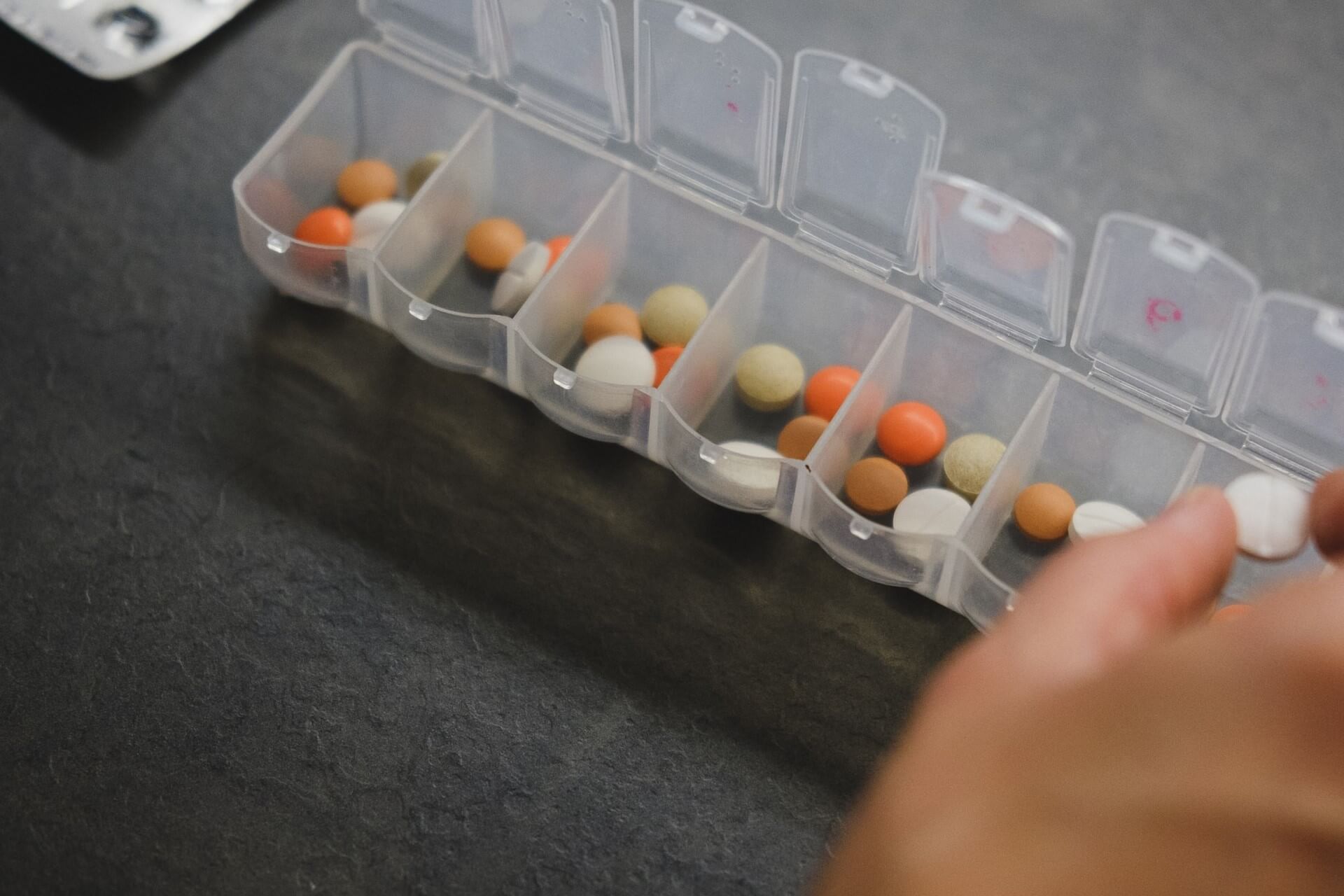
Have you experienced the struggle of which supplements to take or if you should be taking them? It is easy to feel a sense of overwhelm, especially when your health status is compounded with a gastrointestinal or autoimmune condition.
The information in this post can likely help any reader better distinguish if supplement use is right for them, however, our article’s aim is catered to those hoping to heal their gastrointestinal (GI), GI-related conditions, or autoimmune (AI) spectrum conditions through a balance of healthy dietary supplement use. As we learned from our research on “Immune Supporting Foods”, food and specifically the vitamins and minerals found in food, can help protect our bodies from invaders and allow our bodies to heal and recover from damage.
Note: We will be using “GI” and “AI” as abbreviations of these health conditions in the sections below.
Disclaimer: Before starting any supplement, consult your physician and healthcare team to see if it is appropriate for you
If you can get your nutrients by eating a healthful diet, that is almost always the optimal choice. However, research has shown us that there are times in our lives where body functions lag or requirements can’t be met by normal means. This can occur in situations such as inflammatory bowel disease or other GI conditions where absorption of nutrients may be an issue. Combine that with medicine, life events, and genes and you can see why supplements fill a void.

What do I need to know as a consumer?
General Consumer Information
First of all, what is a supplement? Supplements generally are products containing dietary ingredients, such as vitamins, minerals, protein (or the building blocks of protein, called amino acids), botanical or herbal products (plants), or enzymes (complex proteins that catalyze reactions in the body). They are intended to supplement a balanced diet (1). It is important that we stop here and emphasize this point: Supplements are not replacements for a well-balanced diet. They are intended to enhance the good that you are already doing and expand the longevity of the lifestyle choices and medications that can improve your life. Similar to a healthy diet, appropriate supplement use can be a powerful tool in your nutritional arsenal.
Frequently Asked Questions about Dietary Supplements (1) |
|
| Question | Answer |
| Who oversees supplements? | In the United States, the Food and Drug Administration (FDA) oversees supplements and complaints about supplements.
See note below*.
|
| Why do people use supplements? | There are many reasons for supplement use. Some of the most common reasons include:
|
| Should I consult a healthcare professional about my supplement use? If so, when? | Supplements can be helpful, but they are not universally safe for all users. Seeking advice from your health care professionals on how to identify sources of reliable information can help you. We have also included some helpful resources (find them below). |
| How safe are supplements? | Many supplements, such as most multivitamins, have a history of being safe for the generally healthy individual. However, you must take into account other factors such as medical conditions, age and brand quality to ensure that a supplement is safe for the intended purpose. Common recall reasons include:
|
| What should I do when I don’t know if a supplement is safe? |
|
| How much research should support a supplement? | Supplement use based on evidence should be supported by more than just one study and stand the test of time. Just like diets, there are “fad” supplements, and we generally advise to be wary of these.
See note below**. |
| How do I report problems with a supplement? | If you are experiencing adverse effects, you should visit your health care professional immediately.
Adverse events due to dietary supplements can be reported to the FDA by visiting www.fda.gov/FDAgov/Food/DietarySupplements/Alerts/ucm111110.htm. For the health and safety of others, it is also good to report the issue to the manufacturer and/or distributor of the product. This can be done in a couple of ways:
|
*It is important to note that the FDA does not regulate supplements but oversees them as food products. Straight from the FDA-
“Dietary supplements are regulated by the FDA as food, not as drugs…many dietary supplements contain ingredients that have strong biological effects which may conflict with a medicine you are taking or a medical condition you may have. Products containing hidden drugs are also sometimes falsely marketed as dietary supplements, putting consumers at even greater risk. For these reasons, it is important to consult with a health care professional before using any dietary supplement.” Visit
https://www.fda.gov/consumers/consumer-updates/dietary-supplements for more information.
It is for this reason that I only recommend supplements when beneficial (i.e. in the setting of proven deficiency) and have minimal risk involved for an individual’s unique situation. Supplements can be powerful, and I make sure, just as a doctor would before prescribing medication, that the supplement I am recommending is helpful to your individual conditions, circumstances, and concerns.
**Third party testing is a great way to know that the supplement you are taking has been thoroughly vetted for safety. Read more about Third Party Testing in the section below!
What you should know as a consumer with GI/AI concerns or conditions
The FDA recommends consulting with a healthcare professional before beginning any dietary supplement regimen. Especially with certain health conditions, you can be putting yourself at risk and should discuss with a dietitian or other qualified professional to make sure that a particular product and brand is right for you (1). Your healthcare team can ensure there are no contraindications between your medications and supplements as well.
Some general guidelines for supplement use for consumers with GI/AI conditions include the following:
- Though they may be helpful in reducing the risk of disease or recurring episodes, dietary supplements are not intended to treat, diagnose, cure, or alleviate the effects of disease. Some are authorized to make label claims about their uses, such as folic acid reducing the risk of birth defects. It is important to consult with a healthcare professional, particularly a dietitian, to ensure that label claims are valid (1).
- Improper use of supplements can cause harm rather than help. This is another reason why it is important that you involve your healthcare professional(s) in the development and evaluation of your supplement regimen. Possible harmful effects can come from taking an improper amount, taking a harmful combination, or taking them in combination with or as substitution for prescribed medication without consulting a professional (1).
- If you are having surgery or have been recently newly diagnosed with a condition, be sure to report supplement use to all involved members of your healthcare management team. During surgery or initial diagnosis of a disease, your body’s normal conditions are upset by a number of factors. Dosing changes, abnormal or emergency medication administration, and simply stress can cause unwanted effects when combined with supplement use (even supplements you normally tolerate). Certain supplements and dietary ingredients can cause an increase in your potential to bleed or resist the effects of anesthesia. This can have serious or even life-threatening consequences for you, but can easily be avoided by being proactive and responsible about reporting your supplement use to the appropriate professionals involved in the management of your health (1).
- If you have GI/AI conditions, you know how the mountain of paperwork and documentation can grow quickly. It may be helpful to organize your health information, and include a section with printed copies and/or digital copies of your supplement use. Appropriate documentation may even help you qualify for insurance reimbursement in some cases. Instead of trying to remember it all in your head, it is a lot easier to have a folder hold the information for you. Bonus points if you duplicate it in a digital file that you can access almost anywhere!
What is Third Party Testing? How can I know if a Supplement has been third-party tested?
Since the FDA can only oversee supplement production, and the supplement producers can’t always be trusted to vouch for the safety of their own products, third party testing is a great way to know your supplement has passed through multiple safety checkpoints.
The “third-party” part of this testing process refers to the separate entity that tests the quality and safety of the product. Since they are not the FDA, they are not bound by the limits of what a governing body can do, and because they are not the producer of the supplement, they shouldn’t have any vested or biased interest in whether or not the supplement passes their testing standards. In other words, the FDA and the producers are players in the supplement game, and third-party testing takes on the role of referee to ensure rules are being followed and the players are playing in a way that keeps everybody involved safe.
The following three organizations offer third-party testing (click on the linked text to take you to their websites to learn more):
| Third Party | Standards include | Where to Find More Information |
| The United States Pharmacopeial Convention (USP) | quality, purity, potency, performance, and consistency – and FDA current good manufacturing practices (GMPs) | Verification Services
|
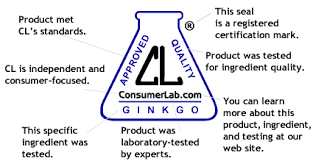
| ConsumerLab.com | Quality criteria- FDA’s GMPs | How Products Were Evaluated
Brands Reviewed and Tested (complete list) |
| NSF International | Impartial and objective review, quality | Look for the NSF Mark
Search for NSF Certified Dietary Supplements
|


I have trusted supplement brands that I recommend for patients that I see. These brands use best practices, the cleanest/purest ingredients, have proven the test of time (i.e. help resolve a lab-based deficiency), and are 3rd party tested when able! The fewer ingredients used on the label the better as we do not know the true impacts of food additives.
Disclaimer: I am not sponsored or affiliated with any of these companies, I just like their products. Below are a few of my favorites

How can supplements support your immune system?
As mentioned above, in general a blanket statement cannot be made about one supplement for an entire population. However, a wealth of growing evidence is getting us closer to understanding just how (a.k.a. mechanisms) and exactly which supplements may be appropriate for individuals and their respective conditions. Review the article for more information. This table focuses on immune function and GI/AI conditions:
Supplements for Immune Function in GI/AI conditions |
||
| Main Supplement Nutrient(s)/
Ingredient(s) |
Effect | Studies that support the use of this supplement (under the advisement of an individual’s healthcare professional(s))*
*Reference numbers are listed below; see following section “References” for the full details & accessible links |
| Ginger | Rheumatoid Arthritis (RA): reduction of disease activity | (2) |
| Omega-3 & Omega-6 fatty acids | Inflammatory bowel disease (IBD/IBS, adult & pediatric), including Crohn’s and Ulcerative Colitis (UC): anti-inflammatory properties | (3,4,5) |
| Curcumin | Antioxidant and anti-inflammatory properties
Pediatric IBD (Crohn’s and UC) |
(4,6)
Tolerability of curcumin in pediatric inflammatory bowel disease: a forced-dose titration study. |
| Sesamin
(derived from the sesame plant) |
Reduces inflammation
RA |
(7) |
| Flaxseed/Flaxseed oil | Ulcerative Colitis (an IBD): reduces inflammation, disease severity | (8)
Mayo Clinic– “Early research also suggests that flaxseed might help lower high blood pressure, which plays a role in heart disease.” |
| L-carnitine
(derived from amino acid) |
Reduced inflammation | (9) |
| Mastiha
(derived from the plant resin of the Mastiha tree) |
IBS: Regulates inflammation | (10) |
| Vitamin D | IBD: Protects gut health (deficiency of Vit D associated with poor outcomes); regulates GI function; anti-inflammatory; plays a role in immune function
Lower levels associated with greater risk of depression |
(11, 12, 13,14) |
| Vitamin C | Mild protective role, modulates inflammation
Esophageal Cancer
Wound healing, antioxidant |
(15,16) |
| Cinnamon | May reduce soreness, inflammation, and recovery | (17) |
| Plant protein | Gastroparesis: improves symptoms | (18) |
| Vitamin B-12 | Vegetarian diets: prevents deficiency | (19) |
| Vitamin B6 (Pyridoxine) | Supports metabolism, protects from deficiency (which causes depression and lower immune function) | (20) |
| Vitamin A | Antioxidant
Regulates body fat distribution |
(21) |
| Folate | Reduces risk for developing heart disease | (20) |
| Selenium | Antioxidant, aids in metabolism
Crohn’s, severe GI problems (deficiency is generally rare but may occur in these populations) |
(22) |
| Vitamin E | Antioxidant
Associated with reduced risk of GI cancer (among patients with high selenium levels) |
(23) |
| Fiber | Improved GI function | (24, 25) |
| Agave inulin | Potential GI benefits in function | (24) |
| B-vitamin complex | Reduced inflammation in patients with celiac disease | (26) |
Probiotics, which we talk about in these two posts (click here for part 1, “Probiotics-some background”) are also considered supplements. Additional information and reference links from the FDA about supplements can be found here: https://www.fda.gov/food/dietary-supplements .
There will be more on supplements coming soon! It’s a vast and deep topic, and at times, controversial. We want to make sure we divide it into easily digestible portions, so stay tuned!
REFERENCES
- Food and Drug Administration. FDA 101: Dietary Supplements. Content current as of July, 15, 2015. Accessed at https://www.fda.gov/consumers/consumer-updates/fda-101-dietary-supplements.
- Aryaeian N, Shahram F, Mahmoudi M, et al. The effect of ginger supplementation on some immunity and inflammation intermediate genes expression in patients with active Rheumatoid Arthritis. Gene. 2019;698:179-185. doi:10.1016/j.gene.2019.01.048.
- Viladomiu M, Hontecillas R, Bassaganya-Riera J. Modulation of inflammation and immunity by dietary conjugated linoleic acid. European journal of pharmacology. 2016;785:87-95. doi:10.1016/j.ejphar.2015.03.095.
- Kaenkumchorn T, Kesavan A. Dietary Management of Pediatric Inflammatory Bowel Disease. Journal of medicinal food. 2019;22(11):1092-1099. doi:10.1089/jmf.2019.0063.
- Vitamin Supplementation. Nutrition in the Prevention and Treatment of Disease, 2001.
- Tabrizi R, Vakili S, Akbari M, et al. The effects of curcumin-containing supplements on biomarkers of inflammation and oxidative stress: A systematic review and meta-analysis of randomized controlled trials. Phytotherapy research : PTR. 2019;33(2):253-262. doi:10.1002/ptr.6226.
- Helli B, Shahi MM, Mowla K, Jalali MT, Haghighian HK. A randomized, triple-blind, placebo-controlled clinical trial, evaluating the sesamin supplement effects on proteolytic enzymes, inflammatory markers, and clinical indices in women with rheumatoid arthritis. Phytotherapy research : PTR. 2019;33(9):2421-2428. doi:10.1002/ptr.6433.
- Morshedzadeh N, Shahrokh S, Aghdaei HA, et al. Effects of flaxseed and flaxseed oil supplement on serum levels of inflammatory markers, metabolic parameters and severity of disease in patients with ulcerative colitis. Complementary therapies in medicine. 2019;46:36-43. doi:10.1016/j.ctim.2019.07.012.
- Haghighatdoost F, Jabbari M, Hariri M. The effect of L-carnitine on inflammatory mediators: a systematic review and meta-analysis of randomized clinical trials. European journal of clinical pharmacology. 2019;75(8):1037-1046. doi:10.1007/s00228-019-02666-5.
- Papada E, Gioxari A, Amerikanou C, et al. Regulation of faecal biomarkers in inflammatory bowel disease patients treated with oral mastiha (Pistacia lentiscus) supplement: A double-blind and placebo-controlled randomised trial. Phytotherapy research : PTR. 2019;33(2):360-369. doi:10.1002/ptr.6229.
- Gubatan J, Moss AC. Vitamin D in inflammatory bowel disease: more than just a supplement. Current opinion in gastroenterology. 2018;34(4):217-225. doi:10.1097/MOG.0000000000000449.
- Fletcher J, Cooper SC, Ghosh S, Hewison M. The Role of Vitamin D in Inflammatory Bowel Disease: Mechanism to Management. Nutrients. 2019;11(5). doi:10.3390/nu11051019.
- Arihiro S, Nakashima A, Matsuoka M, et al. Randomized Trial of Vitamin D Supplementation to Prevent Seasonal Influenza and Upper Respiratory Infection in Patients With Inflammatory Bowel Disease. Inflammatory bowel diseases. 2019;25(6):1088-1095. doi:10.1093/ibd/izy346.
- C. Anding, R. Robbins, N. Ranjit, S. Sweitzer, M. Briley. Depression Significantly Impacted by Serum 25-Hydroxyvitamin D [25(OH)D] Levels in Older Adults Living in Long-Term Care Communities. Journal of the Academy of Nutrition and Dietetics. 2019;119(9): 2212-2672. https://doi.org/10.1016/j.jand.2019.06.099.
- Abdel-Latif MMM, Babar M, Kelleher D, Reynolds JV. A pilot study of the impact of Vitamin C supplementation with neoadjuvant chemoradiation on regulators of inflammation and carcinogenesis in esophageal cancer patients. Journal of cancer research and therapeutics. 2019;15(1):185-191. doi:10.4103/jcrt.JCRT_763_16.
- Chawla J, Kvarnberg D. Neurologic Aspects ofSystemic Disease Part II. Handbook of Clinical Neurology.2014. Nutrition in the Prevention and Treatment of Disease.
- H. Belcher, M. Couch, S. Smith, K. Coate. The Effects of Cinnamon Supplementation on Muscle Soreness and Performance Output in Collegiate Athletes. Journal of the Academy of Nutrition and Dietetics. 2019;119(10): A132. https://doi.org/10.1016/j.jand.2019.08.114.
- Rubin E, Viscuso M, Amer K, Yoo J, DiMarino A, Moleski S. Effect of Nutritional Intervention on Patients with Gastroparesis. Accessed at https://jdc.jefferson.edu/cgi/viewcontent.cgi?article=1005&context=gastrohepposters.
- Luciana Baroni, Silvia Goggi, Maurizio Battino. Planning Well-Balanced Vegetarian Diets in Infants, Children, and Adolescents: The VegPlate Junior. Journal of the Academy of Nutrition and Dietetics. 2019;119(7):1067-1074. https://doi.org/10.1016/j.jand.2018.06.008.
- Man JP, Jugdutt BI. Adjunctive Pharmacologic Therapies in Acute Myocardial Infarction. Cardiac Intensive Care (Second Edition). 2010.
- Cheng Wang, Chu-wen Ling, Ding Ding, Yi-hong Li, Wen-ting Cao, Xin-yi Tang, Yu-ming Chen. Associations of Serum Carotenoids with DXA-Derived Body Fat and Fat Distribution in Chinese Adults: A Prospective Study. Journal of the Academy of Nutrition and Dietetics. 2020. https://doi.org/10.1016/j.jand.2019.12.010.
- Dunn BK, Richmond E, Anderson DE, Greenwald, P.Testing the Ability of Selenium and Vitamin E to Prevent Prostate Cancer in a Large Randomized Phase III Clinical Trial: The Selenium and Vitamin E Cancer Prevention Trial. Sources, Metabolism, and Biological Activities of Selenium. Molecular Basis of Nutrition and Aging. 2016.
- Jiancheng Wang, Huiyuan Guo, Tengfei Lin, Yun Song, Hao Zhang, Binyan Wang, Yan Zhang, Jianping Li, Yong Huo, Xiaobin Wang, Xianhui Qin, Xiping Xu. A Nested Case–Control Study on Plasma Vitamin E and Risk of Cancer: Evidence of Effect Modification by Selenium. Journal of the Academy of Nutrition and Dietetics. 2019;119(5):769-781. https://doi.org/10.1016/j.jand.2018.11.017.
- Hannah D Holscher, J Gregory Caporaso, Seema Hooda, Jennifer M Brulc, George C Fahey, Jr., Kelly S Swanson, Fiber supplementation influences phylogenetic structure and functional capacity of the human intestinal microbiome: follow-up of a randomized controlled trial, The American Journal of Clinical Nutrition, Volume 101, Issue 1, January 2015, Pages 55–64, https://doi.org/10.3945/ajcn.114.092064.
- McRorie JW Jr. Evidence-Based Approach to Fiber Supplements and Clinically Meaningful Health Benefits, Part 1: What to Look for and How to Recommend an Effective Fiber Therapy. Nutr Today. 2015;50(2):82–89. doi:10.1097/NT.0000000000000082
- Hadithi M, Mulder CJ, Stam F, et al. Effect of B vitamin supplementation on plasma homocysteine levels in celiac disease. World J Gastroenterol. 2009;15(8):955–960. doi:10.3748/wjg.15.955

Hi! I'm Kim Braly, RD, a clinical researcher and IBD Nutrition Consultant. I specialize in cutting-edge dietary therapies for inflammatory bowel disease that have been shown in multicenter trials to decrease inflammation, alleviate IBD symptoms and induce remission. I'm passionate about offering this effective new option to patients and their families with my 3D-Dietary™ Approach for IBD and helping to usher in a new era of IBD treatment through mentoring and research trial consultation. Let's see what diet can do for you.
ABOUT


FOR PATIENTS
Flares Happen!
You can't always put your life on hold when IBD rears its head, but you can make this your easiest flare yet. My proven diet and lifestyle tips support your gut, body, mind & emotions for a faster recovery and a longer remission.
FOR PARENTS
Is Your Child’s Weight Dropping Fast?
You don't have to stand helpless during an IBD flare. Feed your child foods proven to minimize triggers, calm inflammation, and repair the gut. Get them healing and growing!