

The Link Between Food & Antibiotic Resistance

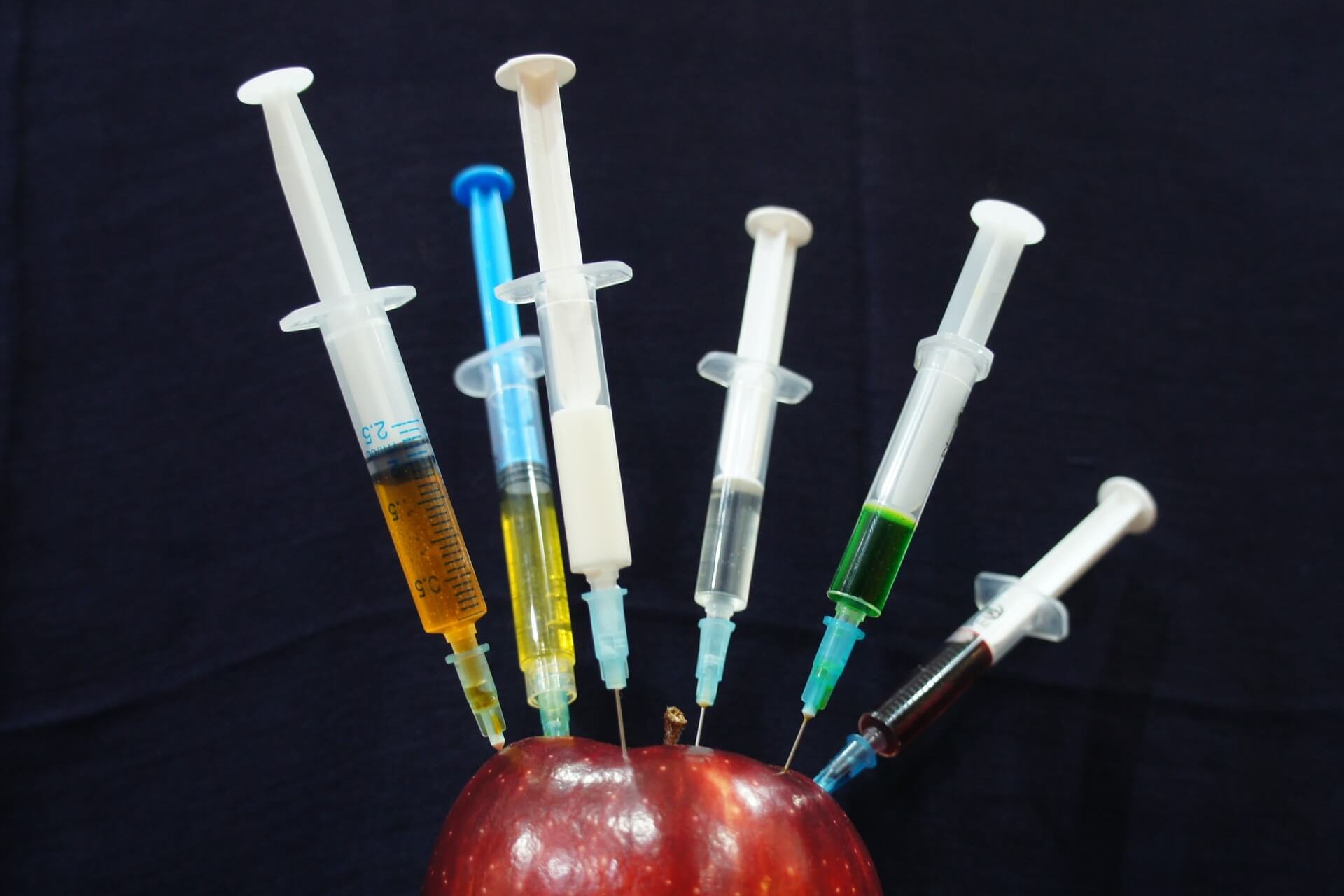
Antibiotic Exposure
Brief History
A Landmark Study
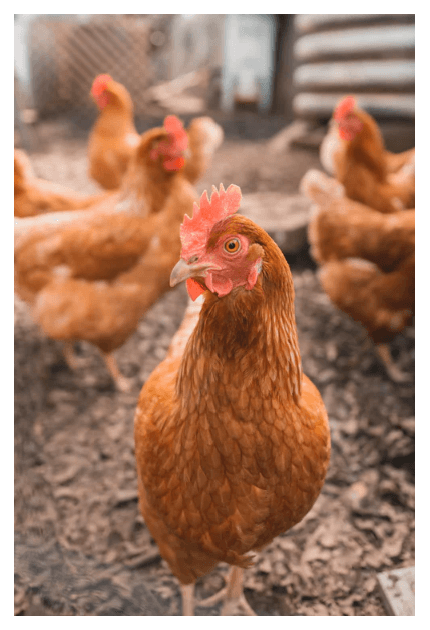
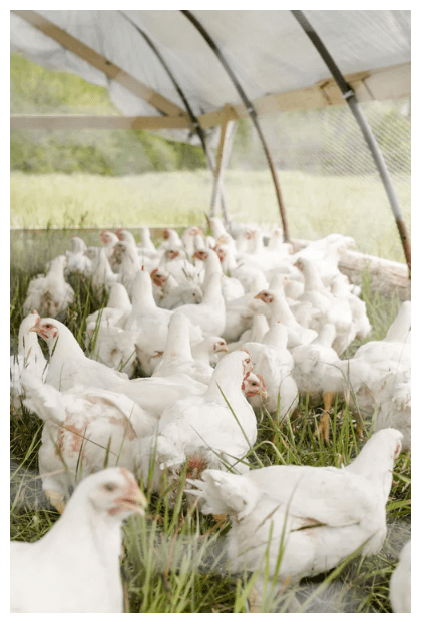
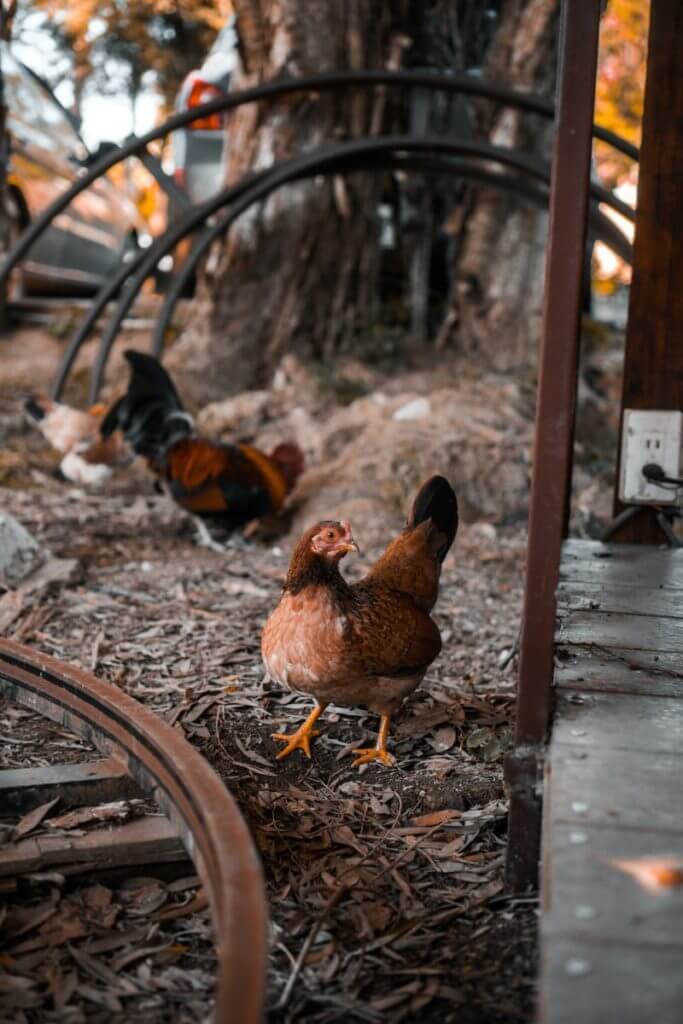
In 1976, Stuart Levy and a group of researchers showed that chickens receiving feed administered with a single antibiotic developed multi-drug resistance that then spread to other chickens and from chickens to humans (1). This was a significant finding because it established that the use of even one single antibiotic could promote antibiotic resistance to multiple antibiotics, and that this could happen to the animals and potentially humans.
Recent studies
Research from more recent years supports Levy and his team’s initial results. Studies have shown evidence of Methicillin-resistant Staphylococcus aureus (more commonly known as MRSA) resistant livestock (meat and poultry in the US). More than half of the samples in one study were multidrug resistant, with intermediate or complete resistance in over three different classes of antimicrobial agents (2).
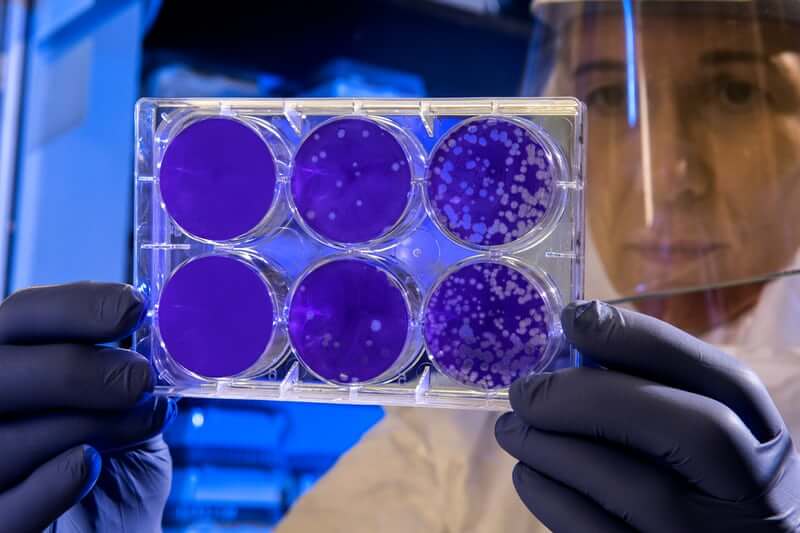
“Dissemination of pathogens through the food chain is amplified by centralized food processing and packaging processes and broad distribution through food wholesalers and retail chains. By these mechanisms, organisms found in contaminated meats and other food products have been shown to be transmitted to humans through the food supply” (2).
Antibiotic Use in Agriculture
Antibiotic use in food animals is approved for a variety of reasons, commonly including, but not limited to (2-5):
- Treatment
- Disease control
- Prevention
- Production uses (feed efficiency, growth promotion, and other uses that are unrelated to disease management)
Non-Therapeutic Antibiotic Use
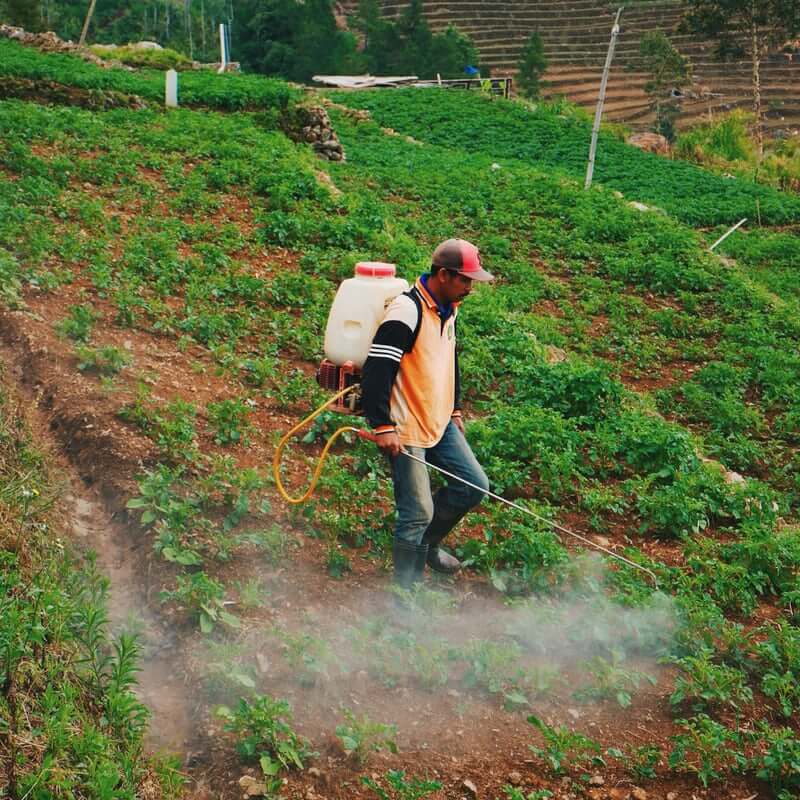
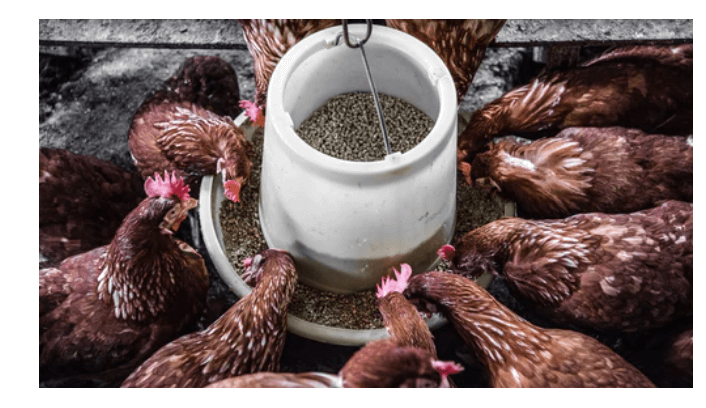
Antibiotics for agricultural animals are typically administered in the feed/water of an entire flock/herd to promote more growth with less feed (2,5). Production is the goal with this non-therapeutic strategy.
What is a “therapeutic” use for antibiotic treatment in agricultural animals?
The Food and Drug Administration (FDA) and World Health Organization (WHO) define “therapeutic use” as use for treatment (such as management of specific infectious diseases in clinically ill animals), prevention, and control of specific diseases. Sometimes drugs are given to healthy animals at high risk of infection, which is also an approved use (2,5).
What do Antibiotics do to the food we consume?
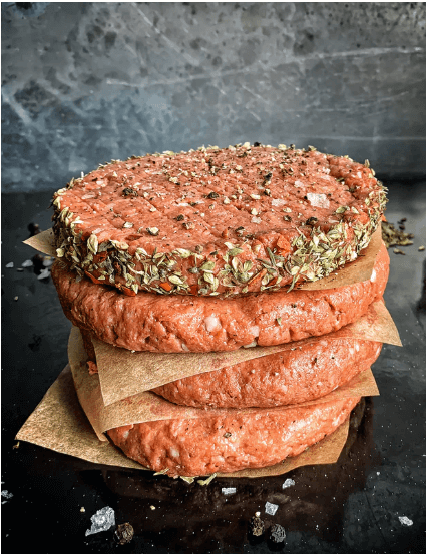
There is clear evidence that non-therapeutic use of antibiotic agents administered to animals promotes the development of drug resistant organisms, which can colonize in the intestines of humans as they spread through the food chain. Organic farming prohibits the use of these agents for non-therapeutic cases, meaning that eating organic likely reduces intake of meat exposed to antibiotics which could reduce the risk of human disease caused by drug-resistant organisms down the line. Other products labeled as free-range or grass-fed, must indicate if antibiotics have been used on the label in addition to clearly stating whether their product is free-range or grass-fed(5).
What are the side effects of antibiotic exposure to me as a consumer?
Consumer exposure to antibiotics can increase risk of infection. Populations at greater risk include farmers, workers, and their families, as well as casual agricultural visitors (i.e. farmers market patrons or kids on a field trip to the farm or pumpkin patch). The following infections and diseases have seen increased livestock-associated cases in more recent years (2):
- Methicillin-resistant Staphylococcus aureus, more commonly known as MRSA (which can cause skin and wound infections, pneumonia, and sepsis)
- E. coli
- Sepsis
- Urinary Tract Infections
- Salmonella
- Other infections
How are resistance traits acquired?
Resistance traits are acquired in multiple ways. They can be brought about by new mutations, a transfer of genetic material between organisms (i.e. through the food supply, direct contact with infected animals, through environmental contamination [fecal material, wastewater, contaminated agricultural soil, cross-contamination of produce or fish by wastewater irrigation], farms or processing facilities, or farm runoff). On the cellular level in the animals, and eventually in their human consumers, this facilitates overgrowth of resistant organisms and eradicates susceptible flora.
Eventually, this leads to the elimination of susceptible organisms, or organisms not resistant to antibiotics, leaving the resistant organisms in a perfect position to thrive and pass along their antibiotic-resistant genes. By this same method, overuse of antibiotics in feedlots adds to antibiotic resistance, a global health challenge. To compound the global challenge, Long term use of one agent can lead to resistance to that agent and multiple other agents(2,6).
Antibiotic Resistance as a Global Health Threat
Antimicrobial resistance is a serious, global public health threat. It impairs the ability to treat infectious diseases. Research has proven time and time again that it increases morbidity and mortality, not to mention the associated health care costs it burdens the healthcare industry with (7).
“Antimicrobials are valuable therapeutics whose efficacy is seriously compromised by the emergence and spread of antimicrobial resistance…Substantial data show elevated antibiotic resistance in bacteria associated with animals fed [nontherapeutic antimicrobials (NTAs)] and their food products. This resistance spreads to other animals and humans…the substantial and expanding volume of evidence reporting animal-to-human spread of resistant bacteria, including that arising from use of NTAs, supports eliminating NTA use in order to reduce the growing environmental load of resistance genes.”(2)
Are infants and children susceptible through food supply?
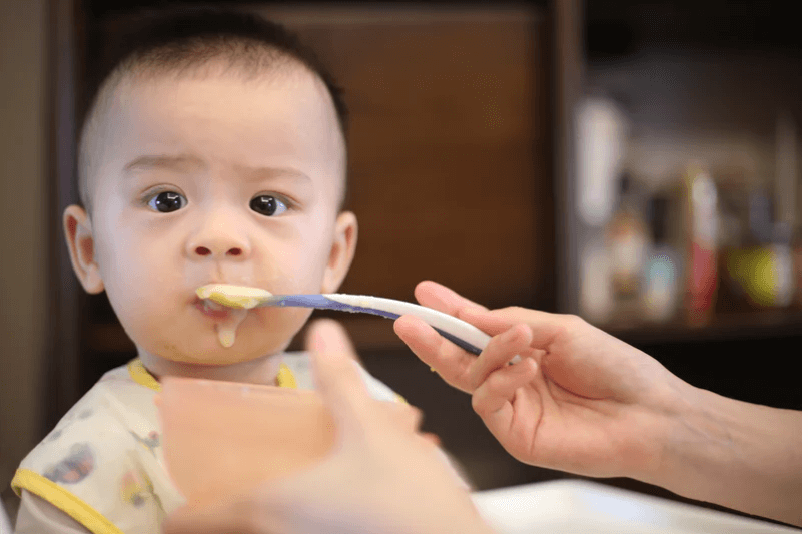
Children are particularly susceptible to the negative effects of antibiotic exposure since they are in their growing and developing stages of life. This includes the early stages of developing their microbiome which is impacted greatly by the environment and foods one consumes. The overuse and misuse of antimicrobial agents in agriculture plays a large role in the emergence of antibiotic resistance, especially the non-therapeutic uses. These uses contribute to create resistance and new health dangers for humans (8,9).
Antibiotic-Free Farmers
While we want to emphasize the dangers of non therapeutic uses of antibiotics, we also want to be sure that we clarify the following point: Antibiotics do have a place for farmers in maintaining their livestock, but the key is to limit unnecessary exposure.
That being said, we commend farmers and producers who make business personal and share their efforts and help give us the farmers’ perspective on why they believe keeping their feed antibiotic free is important to them and their families. The two videos below might help you to understand why farmers choose to approach agriculture the way they do in an effort to protect you and your family from farm to fork. The first video shows a mother and son duo and the sacrifices they share to raise antibiotic free chickens for the Applegate brand. They take personal pride in being able to produce safe food for their consumers. The second video features a farmer who uses dietary supplements for her animal’s immune health. Disclaimer: Kim Braly Nutrition is not affiliated with either of these. These videos are solely for education purposes.
Conclusion
There is an ample body of research backing non-therapeutic antibiotic use as a growing global threat. Through this article we hope you feel more equipped to make educated decisions when purchasing meat. I believe antibiotic resistance is one of the more “hidden” health threats that is not discussed as much in mainstream media.
We will continue to encourage you to reach out to your local farmers (or friends of farmers) to find reliable sources of meat. A personal relationship is really the best way to ensure the quality you are receiving is what you are looking for.

REFERENCES
- Levy, S., Fitzgerald, G. & Macone, A. Spread of antibiotic-resistant plasmids from chicken to chicken and from chicken to man. Nature 260, 40–42 (1976). https://doi.org/10.1038/260040a0
- Paulson JA, Zaoutis TE; Council on Environmental Health; Committee on Infectious Diseases. Nontherapeutic Use of Antimicrobial Agents in Animal Agriculture: Implications for Pediatrics. Pediatrics. 2015;136(6):e1670-e1677. doi:10.1542/peds.2015-3630
- Brantsæter AL, Ydersbond TA, Hoppin JA, Haugen M, Meltzer HM. Organic Food in the Diet: Exposure and Health Implications. Annu Rev Public Health. 2017;38:295‐313. doi:10.1146/annurev-publhealth-031816-044437
- Forman J, Silverstein J; Committee on Nutrition; Council on Environmental Health; American Academy of Pediatrics. Organic foods: health and environmental advantages and disadvantages. Pediatrics. 2012;130(5):e1406‐e1415. doi:10.1542/peds.2012-2579
- Food Safety and Inspection Service. Labeling Guideline on Documentation Needed to Substantiate Animal Raising Claims for Label Submissions. 2019. Accessed at https://www.fsis.usda.gov/wps/wcm/connect/6fe3cd56-6809-4239-b7a2-bccb82a30588/RaisingClaims.pdf?MOD=AJPERES
- Provenza FD, Kronberg SL, Gregorini P. Is Grassfed Meat and Dairy Better for Human and Environmental Health?. Front Nutr. 2019;6:26. Published 2019 Mar 19. doi:10.3389/fnut.2019.00026
- Marshall BM, Levy SB. Food animals and antimicrobials: impacts on human health. Clin Microbiol Rev. 2011;24(4):718‐733. doi:10.1128/CMR.00002-11
- Swanson WS. I’m Not Eating Meat Raised With Antibiotics Anymore, Seattle Mama Doc. Seattle Children’s Hospital Research Foundation. 2017. Accessed at https://seattlemamadoc.seattlechildrens.org/?s=meat+and+antibiotics
- Ditlevsen K, Sandøe P, Lassen J. Healthy food is nutritious, but organic food is healthy because it is pure: The negotiation of healthy food choices by Danish consumers of organic food. Food Quality & Preference. 2019:71; 46-53. doi: 10.1016/j.foodqual.2018.06.001.
- Mie A, Anderson HR, Gunnarsson S, Kahl J, Kesse-Guyot E, REmbialkowska E, et al. Human health implications of organic food and organic agriculture: a comprehensive review. Environmental Health. 2017:16(111). DOI 10.1186/s12940-017-0315-4.
- McEvoy M. Organic 101: Allowed and Prohibited Substances. US Department of Agriculture. 2018. Accessed at https://www.usda.gov/media/blog/2012/01/25/organic-101-allowed-and-prohibited-substances.

Hi! I'm Kim Braly, RD, a clinical researcher and IBD Nutrition Consultant. I specialize in cutting-edge dietary therapies for inflammatory bowel disease that have been shown in multicenter trials to decrease inflammation, alleviate IBD symptoms and induce remission. I'm passionate about offering this effective new option to patients and their families with my 3D-Dietary™ Approach for IBD and helping to usher in a new era of IBD treatment through mentoring and research trial consultation. Let's see what diet can do for you.
ABOUT


FOR PATIENTS
Flares Happen!
You can't always put your life on hold when IBD rears its head, but you can make this your easiest flare yet. My proven diet and lifestyle tips support your gut, body, mind & emotions for a faster recovery and a longer remission.
FOR PARENTS
Is Your Child’s Weight Dropping Fast?
You don't have to stand helpless during an IBD flare. Feed your child foods proven to minimize triggers, calm inflammation, and repair the gut. Get them healing and growing!