

Probiotics for Crohns and Colitis: Should I Supplement?

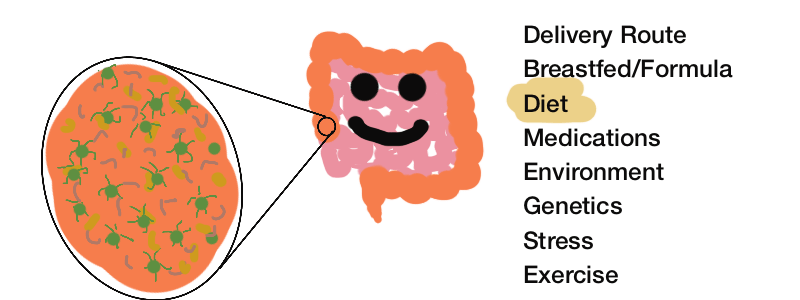
These little microorganisms have been the hype for quite some time. I would say, one of the top three questions I am asked in my practice and day to day life by friends and family is – “Should I supplement with probiotics?” Knowing the research, and lack there of, on probiotics the answer is not always straight forward. I have viewed probiotics from two perspectives, as a dietitian caring for those with various gastrointestinal (GI) disorders and from the stance of being a mama with a little one that received several rounds of antibiotics for chronic ear infections.
I hope that some of what I share will help you form your own thoughts about when, how and if you will add some probiotics to your life. Make sure to check in with your healthcare provider before supplementing.
This blog is part of a series that I will share with you. I will give some background to probiotics, and the microbiome then move to research on probiotics in various GI conditions and also for those without an underlying GI concern.
What is a probiotic?
The current definition comes from the World Health Organization and is recognized as the appropriate definition by The International Scientific Association for Probiotics and Prebiotics experts:
“Live microorganisms that, when administered in adequate amounts, confer a health benefit to the host (1).”
Did you know that one in five Americans takes a probiotic for digestive problems (2)? Probiotics are a growing multi-billion-dollar industry (3). I would say that is a pretty large sum. No wonder they are so widely talked about.
Probiotics are often confused with prebiotics. Prebiotics are also very important in one’s diet, but differ from probiotics in that they are foods that act as fuel for the human microflora and can stimulate growth and balance of healthy bacteria in the colon. Some common prebiotic foods are whole grains, bananas, greens, artichokes, beans, garlic, onion. We will discuss prebiotics in greater detail in another blog post soon!
Fermented Foods
The idea of consuming live microorganisms for health benefit has been around for millennia (see Figure 1 below). But, the term probiotic first appeared in the 1970s and the definition of what probiotics are continues to evolve (3). It is fun to look at the fermented foods below that various regions around the world enjoyed.
Figure 1.
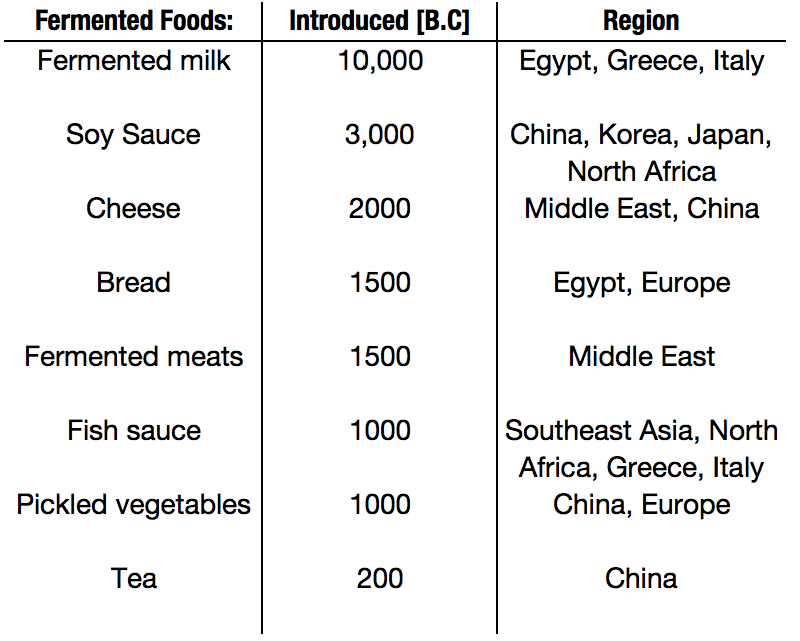
Adapted from (4).
Today, our fermented food selection is vast from sauerkraut, and fermented vegetables to kombucha, cereals and granola bars. As the general public, we consider these foods to be probiotics, however, the International consensus statement from 2013 notes that while various fermented foods (especially fermented dairy) have been shown to have a health benefit, these foods do not necessarily fit into the definition above and should be described as “containing live and active cultures” (1) instead of probiotic foods. We see both on food labels in the US. The figure below is from the expert international consensus paper with recommendations as to which products on the market should be considered a true probiotic food by definition and which should not.
Figure 2.
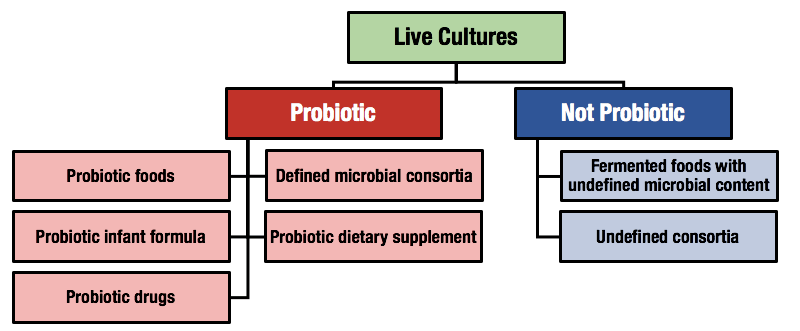
Adapted from (1).
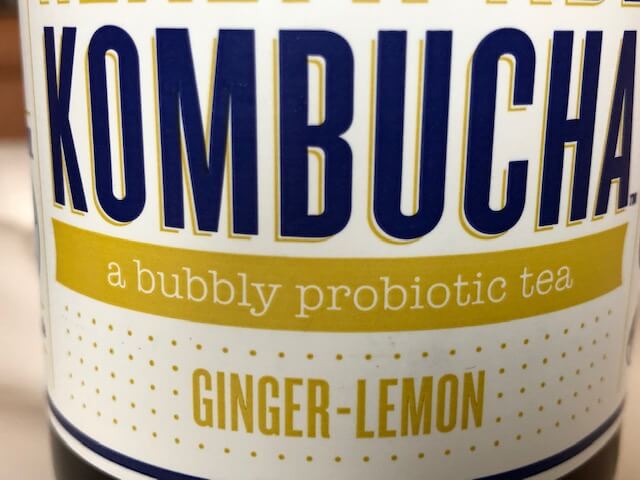
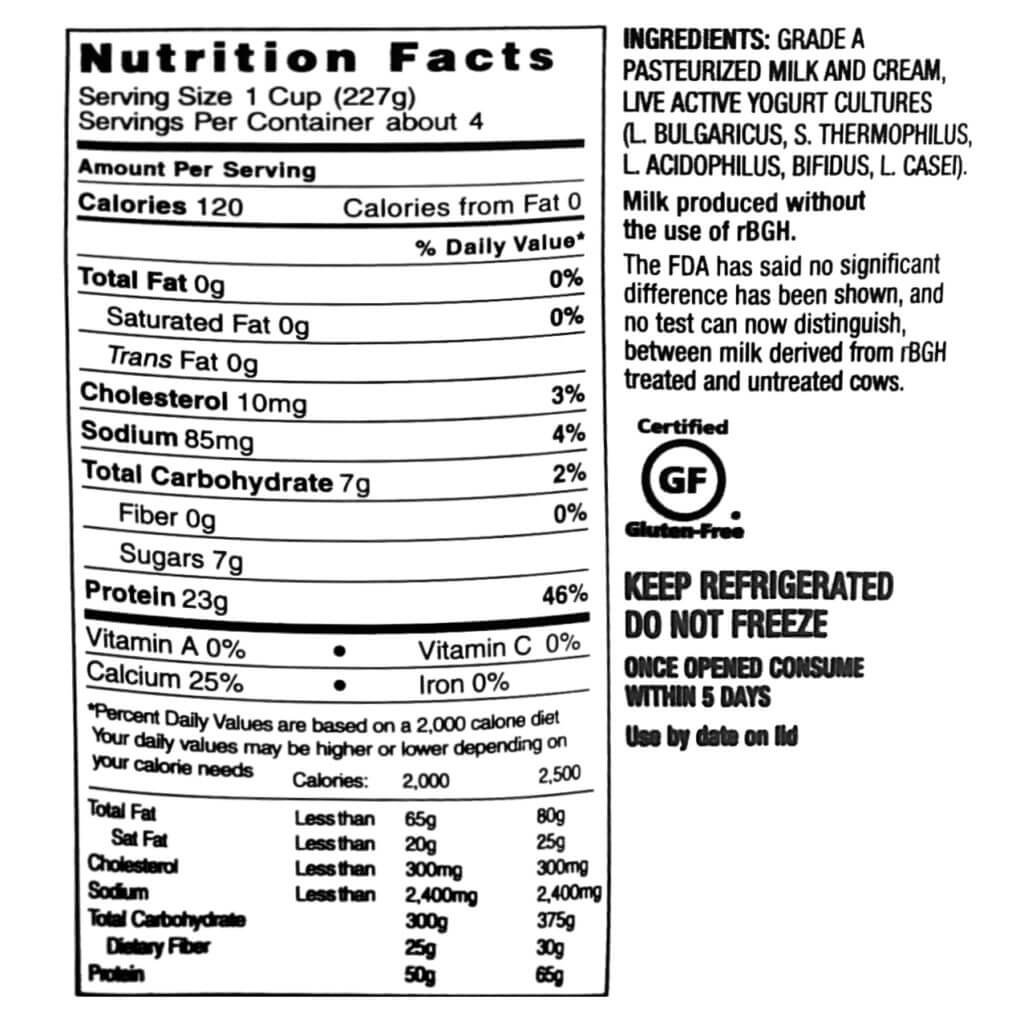
They recommend that probiotic foods are ones that have a defined amount of microbial content with species that are known (through research) to provide a health benefit to the host. Here are two examples of the varying food labels in the US with common products. The first product claims to be a probiotic, however, the colony forming units (CFUs) and species of bacteria are not identified anywhere on the product. The second yogurt label indicates “live and active cultures” and does not claim to be a probiotic. Of note, these are two products that I absolutely LOVE and consume regularly and will continue to consume. This information means to me that I may or may not be consuming “probiotics” by definition.
Kombucha (CFUs not mentioned)
Yogurt with label indicating “live Active yogurt cultures” and species are mentioned
What is a microbiome?
The gut microbiome is one of my favorite topics related to gut health. To understand how probiotics work, one needs to know a bit about the microbiome. Our knowledge and understanding of the microbiome continues to evolve as researchers discover new aspects about vibrant life forms inside our gut. I like to envision our microbiome like earth with the people on earth traveling to various places, performing different tasks, moving at different speeds etc. Similar to earth (but with a larger population can you believe it?), our microbiome is made up of trillions of microbes and thousands of different species (fungi, viruses, bacteria and parasites). In a healthy individual, these critters coexist in harmony.
The microbiome is so important, it is considered a supporting organ as it is essential in day- to- day function. No two microbiomes are equal. Factors like route of delivery at birth, whether or not one was breastfed or given formula as an infant, one’s diet, medications (such as antibiotics, acid suppressing meds etc), the environment you live in, genetics, stress, sleep, exercise… impact an individual’s microbiome. The harmonious relationship between the microbes can be altered or disturbed by the factors above resulting in dysbiosis aka imbalance of the microbes living in our gut.
These microbes perform essential tasks that make us tick. They impact our immune system, break down food compounds to produce essential vitamins and short chain fatty acids that function as fuel for the gut epithelium, create antioxidants and so much more.
I could go on and on about our microbiome as it is vast and complex, but we will stay focused on probiotics.
Probiotics and regulation
Probiotic regulation is definitely worth discussing. Most probiotics can be purchased over the counter (OTC) in food or as a dietary supplement. This is significant as OTC supplements are NOT regulated by a governing body in the U.S. However, the European Food Standards Agency provides a list of probiotics that have been tested. Some probiotic companies have taken an extra step to perform third-party testing where they verify that the strains and concentrations stated on the label are as advertised. With that being said, probiotics are generally recognized as safe (GRAS) for the general population (5). However, taking probiotics is not advisable in some situations, such as certain immune deficiencies for example.
Supplement variation –
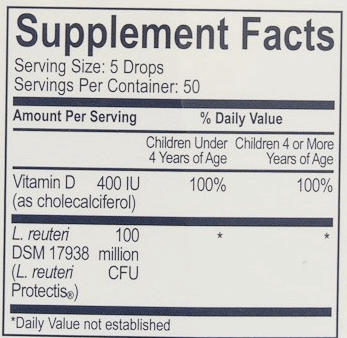
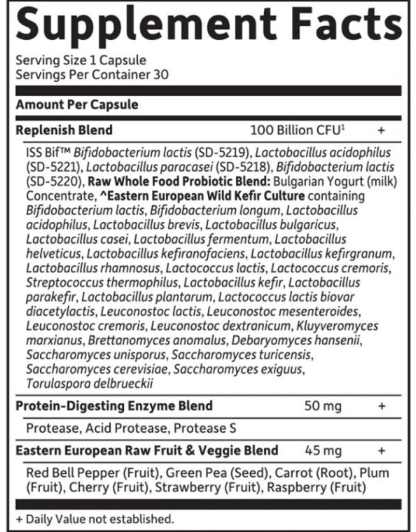
If you recall above, I mentioned there are THOUSANDS of different microbial species and probiotic supplements are highly variable. Some contain 1 species while others may contain 10, 20, 30 etc. This makes research extremely difficult to perform as one has to think of all of the strains of probiotics available, the population they are researching, the brand of probiotic, its shelf life, interactions with medications, and much more. Not only that, but the probiotics have to survive digestion (bile, stomach acids etc) to reach the intestine where they work their magic.
Probiotic supplement: One probiotic species
Probiotic supplement: Several probiotic species
Accuracy of the label (6) –
In a 2016 study, researchers examined 16 probiotic products to see if their label claims matched what was truly in the bottle. They found that only 1 in 16 probiotic product ingredients perfectly matched the label claims. Yikes. This is not very reassuring
As you can see, the simple question of “should I supplement?” is a bit more complicated to address. What else is going on in your body? How varied is your diet? What medications are you on? Do you have diarrhea? What probiotic brand will you take? Is it 3rd party tested? What is an adequate amount of a probiotic to be considered a “health benefit.”?
Summary of steps to take when picking a probiotic (for the health benefit)
Supplement –
From the information I have provided above, it is important to identify if a product is 3rd party tested. This is truly the only means we have in the US of validating a probiotic indeed contains what the company/label claims. You can find this information on the company website usually, or you can call the company and inquire. If they do not say yes, I would continue to look for a different brand.
Food sources –
Look for products (like our yogurt above) that state “live and active cultures.” Fermented dairy is the most researched and has been found to have health benefits as mentioned above. This depends on what species of probiotic are used. That is where “live and active cultures” can help guide you as they are claiming their product does contain cultures that are alive (which is a good thing when looking for probiotics).
Up next
We will discuss more about some probiotic strains that have been researched and identified as a probiotic (by definition) in part 2 of this series as we dive into probiotics and GI conditions.
References
- Hill, C et al. The international scientific association for probiotics and prebiotics consensus statement on the scope and appropriate use of the term probiotic. Nat. Rev. Gastroenterol. Hepatol. 2014;11, 506-514.
- Wilkins T, Sequoia, J. Probiotics for Gastrointestinal conditions: A summary of the evidence. Am Fam Physician. 2017;96(3):170-178.
- Suez, J et al. The pros, cons, and many unknowns of probiotics. Nature Medicine. 2019;25:716-729
- Gasbarrini G, Bonvicini F, Gramenzi, A. Probiotics history. J Clin Gastroenterol. 2016;50:S116–S119
- Abraham BP, Quigley E MM. Probiotics in inflammatory bowel disease. Gastroenterol Clin Am. 2017;46:769-782.
- Lewis ZT et al. Validating bifidobacterial species and subspecies identity in commercial probiotic products. Pediatr Res. 2016;79(3):445-452.

Hi! I'm Kim Braly, RD, a clinical researcher and IBD Nutrition Consultant. I specialize in cutting-edge dietary therapies for inflammatory bowel disease that have been shown in multicenter trials to decrease inflammation, alleviate IBD symptoms and induce remission. I'm passionate about offering this effective new option to patients and their families with my 3D-Dietary™ Approach for IBD and helping to usher in a new era of IBD treatment through mentoring and research trial consultation. Let's see what diet can do for you.
ABOUT


FOR PATIENTS
Flares Happen!
You can't always put your life on hold when IBD rears its head, but you can make this your easiest flare yet. My proven diet and lifestyle tips support your gut, body, mind & emotions for a faster recovery and a longer remission.
FOR PARENTS

Is Your Child’s Weight Dropping Fast?
You don't have to stand helpless during an IBD flare. Feed your child foods proven to minimize triggers, calm inflammation, and repair the gut. Get them healing and growing!