

Inflammatory Bowel Disease: Back to school

For many kids and adults with inflammatory bowel disease, life transitions, changes to routine and life stressors can be triggers for a flare. This includes heading back to school and changes in weather.
I have outlined some tips to anticipate these transitions below! For many kids, school has already started this year, but those who are college bound may be starting this week.
Begin transitioning to your new routine in advance
Starting your anticipated school/new routine 1-2 weeks in advance will help your body anticipate this new change. If you were up late during the summer months, start bed time an hour earlier and move bedtime up every couple of days.
Ensure adequate sleep. I could go on and on about sleep, but will save some for another blog!
Developing a calming bedtime routine without screens (aka good sleep hygiene) trains the brain and subsequently your body to expect sleep. It also quiets your mind from a busy day of stress, learning and much more.
Many do not realize how essential adequate sleep is. The amount of hours varies slightly from one individual to the next, but providing the opportunity for adequate sleep for your child (and yourself) is critical. Growth hormone (GH) is released during sleep. GH is essential for muscle development and tissue growth. Our organs, muscles and tissues are repaired while asleep and we actually continue to learn new information and solidify long-term memories during sleep! Sleep is not essential just for growing kids, but for adults to reach their maximum performance in their day-to-day tasks as well. Sleep deprivation can increase chances of poor performance in school or at work, increase chance of illness, increase chance for depression and decrease coping skills.
How much sleep do we need you may ask? Here are some ranges by age. For more information see Sleep.org
- Ages 1-2 years: 11-14 hours per 24 hours (night + nap)
- Ages 3-5 years: 10-13 hours per 24 hours. Some kids are still napping up to age 3 or 4
- Ages 6-13 years: Elementary ages require 9-11 hours per night
- Ages 14-17 years: TEENAGERS require 8-10 hours per night
- Adults: 7-9 hours per night (unless sleep deprived then you need more)
Mindfulness
I by no means claim to be an expert in things mental-health related, but mindfulness is a concept that I am learning is essential for ALL individuals. Mindfulness is a mental state achieved by focusing one’s awareness on the present moment, while calmly acknowledging and accepting one’s feelings, thoughts, and bodily sensations without judgement. Before transitions, ask yourself or your child what you are nervous about and talk it through. Maybe the unknown schedule or worrying about having accidents and not making it to the bathroom are very real concerns that you need to troubleshoot. If anxiety or depressed thoughts are a struggle, seeking a mental health provider who specializes in these areas can be incredibly helpful.
Ensure you or your child has down time or stillness during the week.
Sick days
Have a plan in place for flare-ups.
Adults: Talk to your boss about doctor appointments in advance!
Kids:
- Have a 504 plan in place. The plan provides for accommodations that a child should have in place to help ensure their success in school. Your child’s gastroenterologist can help advise what should be included in the 504 plan.
- Discuss a plan for arriving late with school and your child’s teacher. Morning times can be challenging for those with IBD as your GI tract is waking up and can wreak havoc!
- Always include a change of clothes in your back pack!
FUEL YOUR BODY WITH GOOD NUTRITION!
Healthy food that you tolerate coupled with adequate calories, protein and fat to promote growth are essential to one’s success. Here are some tips and tricks to help in this area.
- MEAL PLAN!
- Find a day during the week to select your meals, snacks and grocery shop. Select nutritious meals rich in a variety of colorful vegetables, healthy fats and good sources of protein
- Minimize processed foods AS MUCH AS POSSIBLE
- If you or your kiddo dislikes cold foods, find a thermos that keeps food warm for several hours. Or, ask for access to a microwave. It is imperative to find a way for you or your child to eat lunch even if it means asking for a special microwave that does not involve wasting lunch away waiting in line.
- Provide snacks and/or meals that you and your child can agree upon that, ideally, are not processed and in a package with food additives and are low in sugar in all forms (sucrose, fructose etc).
A few of Kim’s favorite power snacks without refined sugar:
- Costco:
- Guacamole and hummus individual serving packages with veggies to dip, Triscuits (a cracker with fewer ingredients)
- Baby Bell cheese (full-fat)
- Handful of dried fruit + nut and seed mixture (if your kid is allowed nuts in school)
- Paleo Bars
- Nut butter or seed butter (i.e. sunflower butter) + banana or apple slices
- Bars with few ingredients that provide protein and fat (all contain nuts): Rx Bar, Lara Bar, or Paleo Bar
- Homemade energy bites (see below) or healthy baked goods (i.e. morning glory muffins)
- Individual serving of full-fat, probiotic yogurt without added sugar (i.e. add your own honey or homemade jam to decrease sugar intake)
- Hard boiled egg
- Cheese and fruit
Simple No-Bake Peanut Butter Bites
Makes ~10-12 “bites”
Ingredients
- 1 C oats
- 1/2 C favorite peanut butter
- 2-3 Tbsp honey
- 1 tsp vanilla
- 1/8 tsp salt
- Optional: 1 Tbsp ground flax, hemp, chia seeds
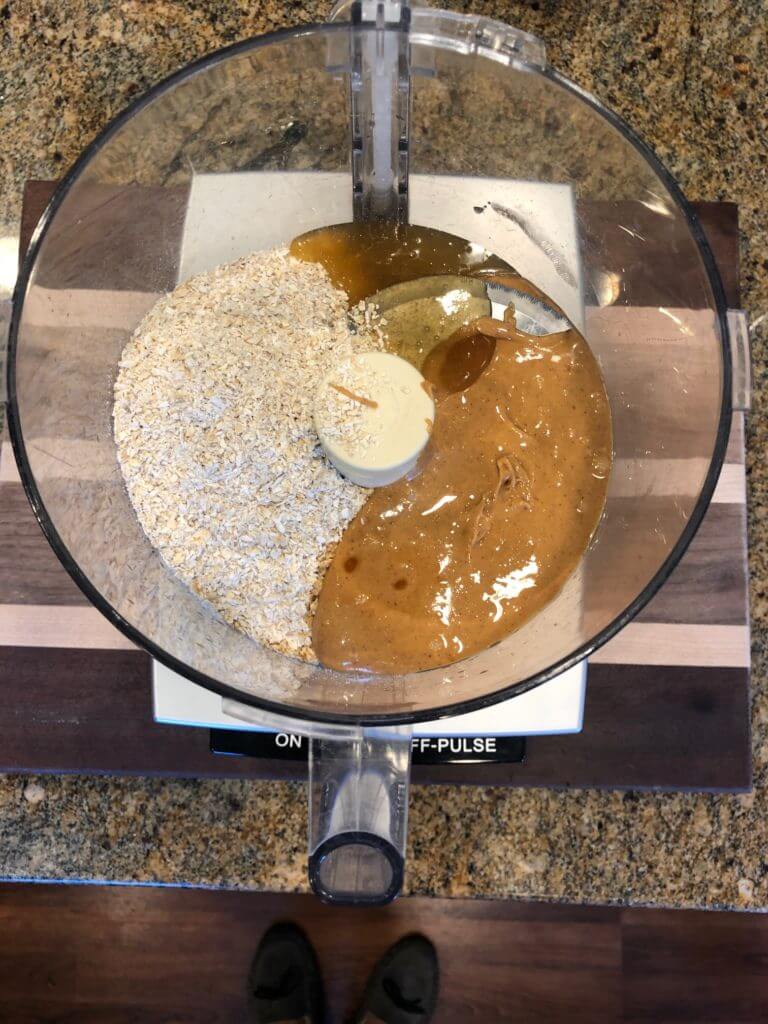
- In a food processor, add oats and pulse x ~15 seconds until desired consistency is achieved
- Add remaining 4 ingredients and blend together for ~15 seconds
- Stop. Scrape sides with spatula and blend for another 15 seconds
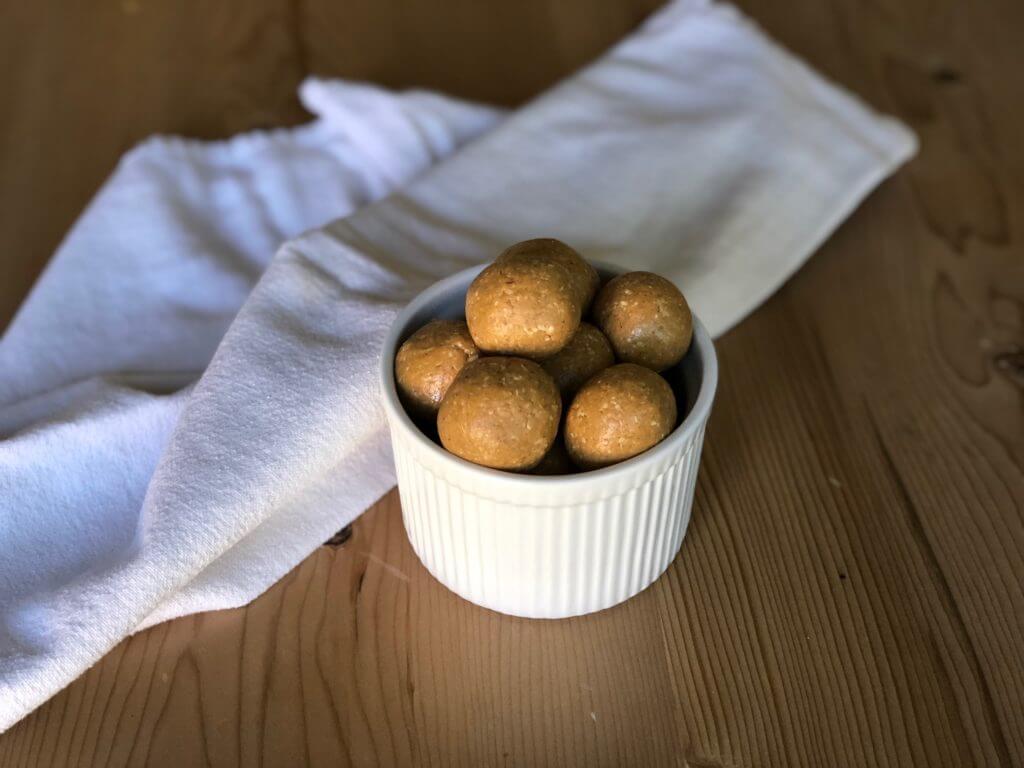
- Grab a small fist full of dough and roll into bite sizes
- Serve at room temperature, or allow to harden in the refrigerator for a few hours
Hydrate, Hydrate, Hydrate!
- Bring a water bottle to promote fluid intake during the school or work-day. Add lemon/orange if taste, or lack of taste, is a struggle.
Activity
- Exercise releases endorphins. Physical activity helps bump up the production of these feel-good hormones. Activity can mean a spectrum of things from walking to yoga to competitive sports. Find an activity you enjoy that is sustainable.
- Ask a friend to do it with you if you feel alone
Remember, it takes a village! You need a support system to come along side you on this journey.

Hi! I'm Kim Braly, RD, a clinical researcher and IBD Nutrition Consultant. I specialize in cutting-edge dietary therapies for inflammatory bowel disease that have been shown in multicenter trials to decrease inflammation, alleviate IBD symptoms and induce remission. I'm passionate about offering this effective new option to patients and their families with my 3D-Dietary™ Approach for IBD and helping to usher in a new era of IBD treatment through mentoring and research trial consultation. Let's see what diet can do for you.
ABOUT


FOR PATIENTS
Flares Happen!
You can't always put your life on hold when IBD rears its head, but you can make this your easiest flare yet. My proven diet and lifestyle tips support your gut, body, mind & emotions for a faster recovery and a longer remission.
FOR PARENTS
Is Your Child’s Weight Dropping Fast?
You don't have to stand helpless during an IBD flare. Feed your child foods proven to minimize triggers, calm inflammation, and repair the gut. Get them healing and growing!